What to Wear in the Jungle Humid Weather: Complete Clothing Guide 2026
Stepping into a tropical jungle unprepared for its extreme humidity is a recipe for discomfort, exhaustion, and potentially dangerous situations. Understanding what to wear in the jungle humid weather transforms a potentially miserable experience into an enjoyable adventure, allowing you to focus on the incredible biodiversity and stunning landscapes rather than your own physical discomfort. Jungle humidity creates unique challenges that standard hiking clothing simply cannot address effectively. With temperatures regularly exceeding 85°F (29°C) and humidity levels often reaching 90% or higher, your body struggles to cool itself through normal sweating mechanisms. The wrong clothing traps heat and moisture against your skin, creating conditions for heat exhaustion, fungal infections, and debilitating chafing. This comprehensive guide will help you select the optimal clothing system for jungle environments, explaining the science behind fabric choices, layering strategies, and practical considerations that keep you comfortable, protected, and safe during your tropical rainforest adventures.
Understanding Jungle Climate Challenges

Before selecting specific garments, understanding how jungle humidity affects your body helps you appreciate why certain clothing choices matter more than others in these environments.
The Humidity Problem
Your body cools itself primarily through evaporative cooling—sweat evaporates from your skin, removing heat in the process. In jungle environments, the air is already so saturated with moisture that evaporation happens slowly or not at all. This means sweat clings to your skin without providing cooling benefits, leading to rapid overheating and dehydration.
High humidity also creates perfect conditions for fungal and bacterial growth on skin and clothing. Cotton garments that stay wet for hours become breeding grounds for microorganisms that cause rashes, infections, and unpleasant odors. Your clothing choices must address both thermoregulation and hygiene challenges simultaneously.
Temperature and Sun Exposure
While jungle humidity gets most attention, intense tropical sun creates additional challenges. Direct sunlight at the equator delivers significantly more ultraviolet radiation than temperate zones. The combination of heat, humidity, and intense sun exposure can overwhelm unprepared visitors quickly.
Jungle canopy provides patchy shade, meaning you alternate between deep shadow and intense sun exposure. Your clothing must handle both conditions, providing sun protection when exposed while not trapping heat in shaded areas.
Precipitation and Water Exposure
Tropical rainforests earn their name through frequent, often unpredictable rainfall. Afternoon thunderstorms are common, and morning mist can soak clothing even without formal rain. Stream crossings, muddy trails, and high water tables mean your feet and lower body stay wet regardless of weather.
Clothing that handles constant moisture while maintaining comfort and function is essential. Materials that become heavy, sag, or chafe when wet create misery in jungle conditions where staying dry is impossible.
Essential Fabric Properties for Jungle Clothing
The fabrics you choose matter more than the specific garments. Understanding material properties helps you evaluate clothing options and make informed selections.
Moisture-Wicking Synthetics
Polyester and nylon fabrics designed for athletic use excel in jungle conditions. These materials move moisture away from your skin to the fabric surface where it can evaporate more easily. Unlike cotton, synthetics do not absorb water, maintaining their lightweight properties even when soaked.
Look for terms like "moisture-wicking," "quick-dry," or "technical fabric" when selecting garments. These indicate engineered fabrics designed specifically for high-exertion, high-humidity environments. Avoid cotton, linen, and rayon entirely—these natural fibers absorb moisture and stay wet for hours.
Modern synthetic blends often incorporate spandex for stretch, improving comfort and range of motion. A typical blend might be 90% polyester with 10% spandex, providing wicking properties with comfortable stretch.
Merino Wool Options
While wool sounds counterintuitive for hot weather, lightweight merino wool (150-180 gsm) performs exceptionally well in jungle conditions. Merino naturally resists odor-causing bacteria, wicks moisture effectively, and maintains comfort across a wide temperature range.
Merino's natural antimicrobial properties make it ideal for multi-day trips where laundry facilities do not exist. A merino wool shirt can be worn for several days without developing the offensive odors that synthetic shirts accumulate within hours in jungle conditions.
The downside of merino is durability and cost. Merino fabrics wear faster than synthetics, especially when carrying heavy packs, and quality merino garments cost significantly more. Many jungle trekkers use merino for base layers and synthetics for outer garments.
UPF Protection
Ultraviolet Protection Factor (UPF) ratings indicate how effectively fabrics block UV radiation. Standard cotton t-shirts provide minimal protection, while UPF-rated garments block 95% or more of harmful rays. In tropical environments, UPF protection is as important as moisture management.
Look for garments rated UPF 30 or higher. Darker colors and tighter weaves generally provide better protection, though specialized treatments can make lightweight, light-colored fabrics protective as well. Long-sleeved UPF shirts protect arms without requiring sunscreen that washes away with sweat.
Upper Body Clothing
Your torso generates significant heat and receives substantial sun exposure. Proper upper body clothing manages both challenges while protecting against insects and vegetation.
Long-Sleeve Shirts
Despite the heat, long-sleeve shirts are essential for jungle trekking. They protect against sun exposure, insect bites, and abrasive vegetation while actually keeping you cooler than short sleeves by blocking direct sun on your arms. The key is selecting lightweight, breathable fabrics that do not trap heat.
Look for shirts with venting features like mesh panels under arms, roll-up sleeves with button tabs, and chest pockets that double as vents. Button-front designs allow you to adjust ventilation by opening or closing the front.
Light colors reflect heat and make it easier to spot ticks and insects. White, light gray, tan, and light blue are popular choices. Avoid dark colors that absorb heat and make you more attractive to biting insects.
T-Shirts and Base Layers
For less intense activities or around camp, lightweight synthetic or merino t-shirts provide comfort and quick-drying performance. These work well as base layers under long-sleeve shirts or alone during rest periods.
Athletic-style synthetic t-shirts designed for running or gym use work well in jungles. Avoid heavy cotton t-shirts that become sodden with sweat and stay wet for hours. Even "performance cotton" blends are inferior to pure synthetics or merino.
Mid-Layers and Rain Protection
Paradoxically, you need rain protection in the jungle, but waterproof jackets often create more problems than they solve. Non-breathable rain gear traps sweat and body heat, creating a sauna effect that leaves you soaked from the inside.
Lightweight, breathable rain jackets with pit zips work best for active jungle trekking. Some experienced jungle travelers skip rain jackets entirely, relying on quick-drying clothing and accepting that getting wet is inevitable. Pack a lightweight rain jacket for cooler conditions or extended downpours, but do not expect to stay dry.
Consider a lightweight fleece or synthetic insulated jacket for early mornings or higher elevations where temperatures drop. Even in tropical environments, being wet and stationary can lead to hypothermia.
Lower Body Clothing
Your legs face constant moisture from vegetation, mud, stream crossings, and sweat. Proper lower body clothing protects against these challenges while allowing freedom of movement.
Convertible Pants
Zip-off convertible pants offer versatility for changing conditions and activities. Full-length pants protect against insects, sun, and vegetation during trekking. When conditions permit, zip off the lower legs to convert to shorts for stream crossings or cooler comfort.
Look for lightweight, quick-dry synthetic materials with multiple pockets. Cargo pockets hold essentials like insect repellent, sunscreen, and snacks within easy reach. Articulated knees improve mobility on uneven terrain.
Light colors help you spot ticks and biting insects before they reach your skin. Some jungle travelers prefer pants with built-in insect repellent treatment for additional protection.
Shorts Considerations
While shorts seem logical for hot weather, they expose your legs to sun, insects, and vegetation. If you prefer shorts, choose lightweight, quick-dry athletic styles with pockets. Pair them with gaiters or high socks for additional protection.
Shorts work better for camp wear or low-intensity activities than for serious trekking. The protection offered by lightweight long pants outweighs the minimal cooling benefit of shorts in most jungle situations.
Underwear Selection
Underwear choice is surprisingly important for jungle comfort. Cotton underwear becomes soaked with sweat and causes severe chafing within hours. Synthetic or merino wool underwear designed for athletic use prevents this problem.
Look for seamless construction to minimize friction points. Some jungle trekkers prefer compression-style shorts that reduce thigh rubbing. Bring multiple pairs and change daily, washing worn pairs at camp to dry overnight.
Footwear and Socks
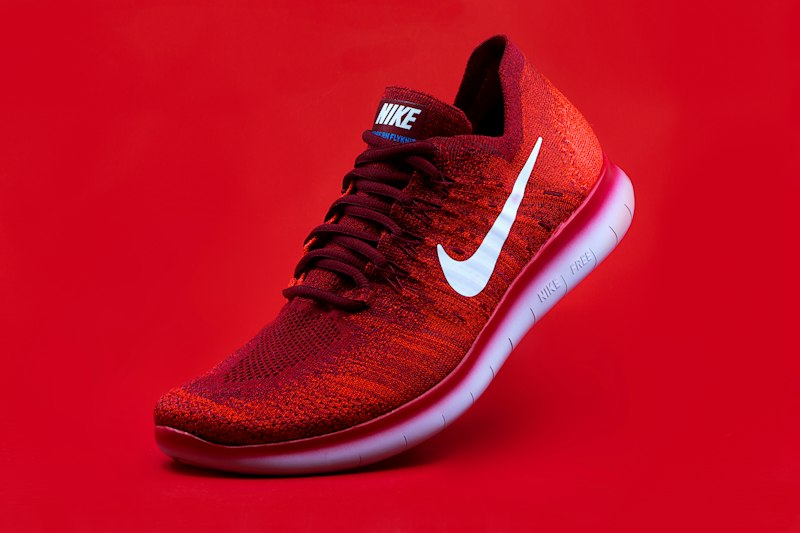
Your feet face the harshest jungle conditions, constantly wet from sweat, humidity, mud, and stream crossings. Proper footwear prevents blisters, infections, and debilitating foot problems.
Footwear Choices
Traditional wisdom suggests waterproof boots for jungle trekking, but modern lightweight trail runners often perform better. Waterproof boots keep water out initially but trap moisture inside once water enters through the top. They also take days to dry when soaked.
Lightweight, quick-dry trail runners or approach shoes allow water to flow in and out, drying quickly and reducing blister risk. Look for mesh uppers that drain and dry rapidly. Some jungle trekkers use sandals with toe protection for stream-heavy routes.
Whatever footwear you choose, break it in thoroughly before your trip. Blisters in jungle conditions can become infected quickly, potentially ending your trek or requiring medical evacuation.
Sock Strategies
Synthetic or merino wool hiking socks wick moisture and dry faster than cotton. Bring multiple pairs and change them frequently, hanging wet pairs on your pack to dry while hiking. Some trekkers use a two-sock system with thin liner socks under hiking socks to reduce friction.
Consider waterproof socks for stream crossings or extremely wet conditions, though these trap sweat and should not be worn continuously. Gaiters keep debris out of shoes and provide additional protection against leeches and insects.
Accessories and Protection
Small accessories make significant differences in jungle comfort and safety. Do not overlook these important items.
Headwear
A wide-brimmed hat provides essential sun protection for your face, neck, and ears. Look for lightweight, breathable materials with ventilation panels. Hats with neck flaps offer additional protection. Light colors reflect heat while dark underbrims reduce glare.
Buffs or lightweight neck gaiters serve multiple purposes: sun protection, sweat management, and emergency face covering. They can be soaked in water for evaporative cooling during rest breaks.
Hand Protection
Lightweight synthetic gloves protect hands from sun, insects, and vegetation while gripping trekking poles or scrambling over rocks. Fingerless designs allow dexterity for camera operation and map reading.
Some jungle trekkers use leather-palmed work gloves for machete use or heavy vegetation travel. These provide better protection than thin synthetic gloves but are hotter and less comfortable for general use.
Eyewear
Polarized sunglasses reduce glare from water and wet vegetation, reducing eye strain and improving visibility. Choose lightweight, grippy frames that stay in place when sweating. A retaining strap prevents loss during scrambling or water crossings.
Clothing Care and Maintenance
Even the best jungle clothing requires proper care to maintain performance and hygiene during extended trips.
Washing and Drying
Wash clothing whenever possible to remove salt from sweat and prevent bacterial growth. Biodegradable soap and stream water work for washing, though carry water away from streams to prevent pollution. Wring clothes thoroughly and hang them in sunny, breezy spots for fastest drying.
Rotate between multiple sets of clothing, washing one set while wearing another. Synthetic clothing often dries overnight in jungle conditions if hung properly. Merino takes longer to dry but resists odors better between washes.
Repair and Replacement
Carry a small repair kit with needle, thread, and fabric tape for field repairs. Jungle vegetation is abrasive and can damage lightweight fabrics. Repair small tears immediately before they expand.
Have backup clothing in your base camp or vehicle for post-trek comfort. Changing into clean, dry clothes after days in the jungle is one of life's great pleasures.
Frequently Asked Questions
Should I wear cotton in the jungle?
No, avoid cotton completely in jungle environments. Cotton absorbs moisture and stays wet for hours, leading to chafing, heat retention, and fungal growth. Choose synthetic moisture-wicking fabrics or lightweight merino wool instead.
How many changes of clothing should I bring for a week-long jungle trek?
Bring two to three sets of trekking clothing plus one set of dry camp clothes. You can wash and rotate between sets, allowing each to dry while wearing another. Synthetic clothing dries quickly enough in jungle humidity to maintain this rotation.
Are waterproof boots necessary for jungle hiking?
Not necessarily. Waterproof boots trap moisture inside once wet and take days to dry. Many experienced jungle trekkers prefer lightweight, quick-dry trail runners that allow water to flow through and dry rapidly. The key is accepting that your feet will get wet and managing that reality.
How do I prevent chafing in humid jungle conditions?
Wear moisture-wicking synthetic or merino underwear, apply anti-chafe products like BodyGlide to high-friction areas, and change out of wet clothing whenever possible. Compression shorts can reduce thigh rubbing. Address hot spots immediately before they develop into serious chafing.
Should I treat my clothing with insect repellent?
Permethrin treatment on clothing provides excellent protection against mosquitoes, ticks, and other biting insects. Treat clothing before your trip according to product instructions. The treatment lasts through multiple washes and significantly reduces insect bites without requiring constant application of skin repellents.