How to Book Guided Jungle Tours Safely: Essential Guide 2026

Exploring the world's rainforests and jungles with an experienced guide transforms a potentially dangerous undertaking into a safe, educational, and unforgettable adventure. However, not all tour operators maintain the standards necessary to ensure visitor safety, environmental protection, and quality experiences. Learning how to book guided jungle tours safely is essential for anyone planning to venture into these complex and potentially hazardous environments. The right guide provides not only safety and navigation expertise but also deep knowledge of wildlife behavior, plant uses, and ecosystem dynamics that enriches your understanding exponentially. Conversely, booking with disreputable operators can lead to dangerous situations, environmental damage, and disappointing experiences that waste both money and precious vacation time. This comprehensive guide will walk you through the entire process of researching, evaluating, and booking jungle tours with reputable operators who prioritize safety, sustainability, and authentic experiences.
Why Guided Tours Are Essential for Jungle Travel

Before diving into booking procedures, understanding why professional guides are necessary helps motivate the careful selection process. Jungle environments present unique challenges that make independent travel inadvisable for most visitors.
Safety and Navigation Expertise
Jungle terrain challenges even experienced hikers. Dense vegetation limits visibility to meters, making navigation extremely difficult without local knowledge. Trails that appear on maps may be overgrown, flooded, or washed away. Professional guides carry GPS devices, know landmark locations, and can find their way even when trails disappear.
Wildlife safety requires understanding animal behavior and appropriate responses to encounters. Guides know which animals are dangerous, how to avoid confrontations, and what to do if encounters occur. They recognize signs of recent large predator presence and can steer groups away from potentially dangerous situations.
Medical emergencies in remote jungle locations can become life-threatening without proper response. Guides carry first aid supplies, know evacuation routes, and can communicate with emergency services. Their training includes recognizing symptoms of heat exhaustion, dehydration, and tropical diseases.
Wildlife Spotting and Interpretation
Trained guides possess remarkable abilities to spot wildlife invisible to untrained eyes. They recognize subtle sounds, movement patterns, and signs that indicate animal presence. What appears to be empty forest to visitors often contains numerous species revealed by expert observation.
Beyond spotting animals, guides provide context that transforms sightings into meaningful experiences. They explain behaviors, ecological relationships, and conservation challenges. This educational component distinguishes quality guided experiences from simple wildlife tourism.
Local guides often possess traditional knowledge about medicinal plants, animal tracking, and forest survival developed over generations. This cultural dimension adds depth impossible to gain from books or general naturalists.
Researching Tour Operators
Finding reputable operators requires systematic research across multiple sources. Relying solely on a company's own website or a single review platform risks missing important information.
Online Review Platforms
TripAdvisor, Google Reviews, and specialized tour review sites provide valuable insights from past customers. Look beyond overall ratings to read detailed reviews describing specific experiences. Pay attention to reviews mentioning safety practices, guide knowledge, and how operators handled unexpected situations.
Be skeptical of operators with only perfect reviews, as these may be fabricated. Similarly, occasional negative reviews among many positive ones are normal, but patterns of complaints about safety, misleading advertising, or poor guide quality should raise red flags.
Check the dates of reviews to ensure they are recent. Tour operator quality can change as ownership, staff, or business priorities shift. Reviews from several years ago may not reflect current operations.
Travel Forums and Communities
Specialized travel forums like Lonely Planet's Thorn Tree, Reddit's travel communities, and niche jungle trekking forums offer unfiltered discussions from experienced travelers. Search for threads mentioning specific operators or destinations you are considering.
Post questions asking for recent experiences with operators you are considering. The travel community often responds with detailed, honest assessments that reveal information not found in official reviews.
Connect with travelers who have recently returned from your target destination. Their firsthand experiences provide current intelligence about operator quality, trail conditions, and safety situations.
Industry Certifications and Memberships
Reputable tour operators often hold memberships in professional associations that maintain standards and provide accountability. Look for membership in organizations like the International Ecotourism Society, regional adventure travel associations, or local tourism boards.
Certifications from wilderness medicine organizations (WMI, WMA) indicate guides have received professional training in handling medical emergencies. First aid certification should be current and appropriate for the environments visited.
Some countries have specific guide certification programs. In Costa Rica, for example, official naturalist guides must complete rigorous training and testing. Ask about guide qualifications and verify claims when possible.
Evaluating Safety Standards
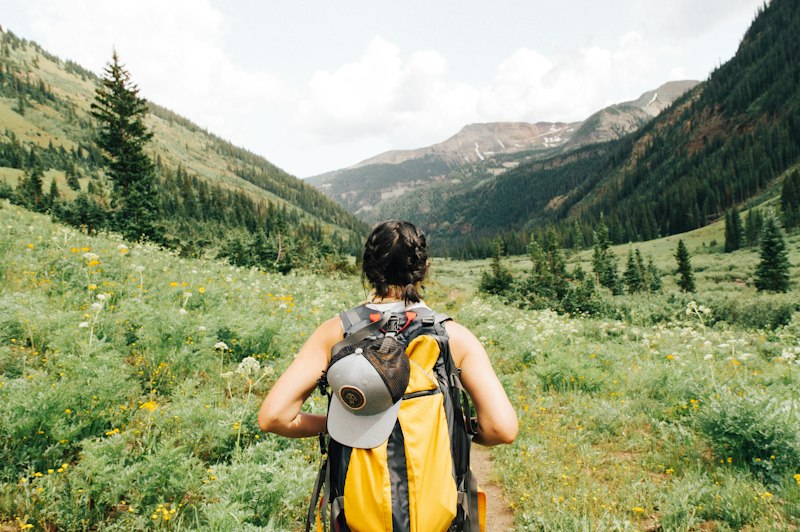
Safety should be the primary criterion when selecting jungle tour operators. Direct questions and observation reveal whether operators prioritize safety or cut corners to reduce costs.
Equipment and Preparation
Quality operators provide or require appropriate safety equipment including first aid kits, communication devices, emergency shelters, and water purification. Ask specifically what safety equipment accompanies tours and how often it is inspected and maintained.
Guide-to-client ratios indicate safety commitment. Lower ratios allow better supervision and response to emergencies. Be wary of operators maximizing group sizes beyond safe management levels, typically more than eight clients per guide in challenging terrain.
Pre-trip safety briefings should cover potential hazards, emergency procedures, and expected conditions. Professional operators take time to ensure clients understand risks and proper responses rather than rushing to begin activities.
Emergency Protocols
Ask detailed questions about emergency response procedures. How would the operator handle medical emergencies, severe weather, or wildlife encounters? What communication methods work in the tour area? How far is the nearest medical facility?
Reputable operators have written emergency action plans and train staff in their implementation. They should be able to describe specific procedures without hesitation or vague generalities.
Evacuation insurance or membership in emergency evacuation services like Global Rescue indicates serious safety commitment. While you should carry your own travel insurance, operators who invest in these services demonstrate priority for client welfare.
Vehicle and Equipment Maintenance
For tours involving vehicle transport to trailheads, vehicle condition indicates overall safety culture. Well-maintained vehicles with proper safety equipment suggest attention to detail that extends to all operations.
Boats used for river transport should carry required safety equipment including life jackets, bailers, and paddles. Engines should be properly maintained with spare parts and fuel carried on longer journeys.
Assessing Environmental and Ethical Practices
Beyond personal safety, responsible travelers should evaluate operators' environmental and social impacts. Supporting sustainable operators helps protect the ecosystems and communities you visit.
Environmental Commitment
Quality operators follow Leave No Trace principles and train clients in responsible behavior. They should have clear policies about waste management, wildlife interaction, and trail use. Ask how they minimize environmental impact and what conservation contributions they make.
Operators who participate in research programs, conservation initiatives, or community development projects demonstrate commitment beyond profit. These contributions often indicate long-term thinking and genuine care for destinations.
Be wary of operators offering activities that harm wildlife or habitats, such as baiting animals for photography, approaching nesting sites, or visiting areas closed for conservation. These practices indicate poor ethics regardless of other qualifications.
Community Relationships
Reputable operators maintain positive relationships with local communities, employing local guides and staff, sourcing supplies locally, and respecting indigenous rights. Ask about local employment practices and community benefits from tourism.
Some operators are community-owned or operate in partnership with local groups. These arrangements often provide the most authentic experiences while ensuring tourism benefits remain in local economies.
Operators should respect indigenous territories and obtain proper permissions for entering traditional lands. They should share accurate information about local cultures rather than exoticizing or misrepresenting communities.
Booking Process and Payment
Once you have identified reputable operators, the booking process itself requires attention to protect your interests and ensure clear communication.
Clear Communication
Professional operators respond promptly to inquiries with detailed, clear information. They should willingly answer questions about itineraries, inclusions, physical requirements, and safety procedures. Vague responses or pressure to book quickly should concern you.
Request detailed itineraries showing daily activities, travel times, and accommodation. Understand what is included in quoted prices and what costs extra. Clarify cancellation policies, refund procedures, and what happens if weather prevents activities.
Confirm guide qualifications, group sizes, and specific equipment provided. Get these commitments in writing as part of your booking confirmation.
Payment Security
Use secure payment methods that offer fraud protection. Credit cards generally provide better recourse than wire transfers or cash payments if services are not delivered as promised.
Be cautious of operators demanding full payment far in advance, particularly if they lack established reputations. Standard practice often involves deposits to secure bookings with balance due closer to departure or upon arrival.
Obtain written confirmation of all payments made and keep records throughout the booking process. These documents prove invaluable if disputes arise.
Insurance and Documentation
Verify that your travel insurance covers adventure activities in your destination. Many standard policies exclude trekking, wildlife activities, or travel to remote areas. Purchase supplemental coverage if necessary.
Ensure your passport has sufficient validity for your destination's requirements. Obtain necessary visas well in advance. Carry copies of important documents separately from originals.
Share your itinerary with trusted contacts who can raise alarms if you do not check in as planned. Include operator contact information and expected return dates.
Red Flags to Avoid
Certain warning signs indicate operators to avoid regardless of attractive pricing or promises. Recognizing these red flags protects you from dangerous or disappointing experiences.
Warning Signs
Significantly lower prices than competitors often indicate corner-cutting on safety, guide qualifications, or environmental compliance. While everyone appreciates value, unrealistic pricing suggests problems.
Reluctance to provide specific information about guides, equipment, or safety procedures should disqualify operators. Transparency indicates confidence in operations; secrecy suggests problems.
Pressure tactics urging immediate booking without time for research or consideration are manipulative and unprofessional. Quality operators maintain waiting lists for popular dates rather than pressuring clients.
Promises of guaranteed wildlife sightings are misleading and often indicate unethical baiting or harassment practices. Responsible operators explain that wildlife is wild and sightings cannot be guaranteed.
Preparing for Your Tour
Once booked, proper preparation ensures you get maximum value from your guided experience while supporting your guide's efforts to keep you safe.
Physical Preparation
Be honest about your fitness level when booking, then prepare accordingly. Jungle trekking demands more exertion than equivalent distances on maintained trails due to heat, humidity, and terrain. Condition yourself through hiking, stair climbing, and heat exposure if possible.
Pack according to operator recommendations, resisting the urge to bring unnecessary items that add weight. Ensure you have broken in footwear and tested all equipment before departure.
Mental Preparation
Understand that jungle environments involve discomfort from heat, humidity, insects, and physical exertion. Mental resilience transforms these challenges into memorable adventures rather than miserable ordeals.
Prepare to follow guide instructions even when they seem unnecessary or overly cautious. Guides make decisions based on experience and information you may not have. Their priority is your safety.
Frequently Asked Questions
How far in advance should I book a jungle tour?
Book popular destinations and peak seasons 3-6 months ahead. Less visited areas or shoulder seasons may allow shorter notice. Last-minute bookings limit options and may force choices of less reputable operators.
What qualifications should a jungle guide have?
Look for wilderness first aid certification, local guide licenses where required, and specific training in the environments visited. Experience matters more than formal credentials alone—ask how long guides have worked in the specific area.
Is it safe to book tours online from overseas?
Booking online is safe with established, well-reviewed operators. Use credit cards for payment protection. Verify operators through multiple review sources and travel forums before sending deposits. Be extra cautious with new operators lacking established reputations.
What should I do if I feel unsafe during a tour?
Communicate concerns to your guide immediately. If not satisfied with their response, request return to the starting point. Trust your instincts—feeling unsafe is reason enough to modify or end activities. Carry emergency contact information for local authorities and your embassy.
How much should I tip jungle guides?
Tipping customs vary by country and tour type. Research local norms before traveling. Generally, $10-20 per day per client is appropriate for quality guiding in most jungle destinations. Tip more for exceptional service or difficult conditions. Some community-based tours discourage tipping in favor of fair wages built into pricing.