Forest Travel Packing List for Hiking Trips: Complete Gear Guide 2026
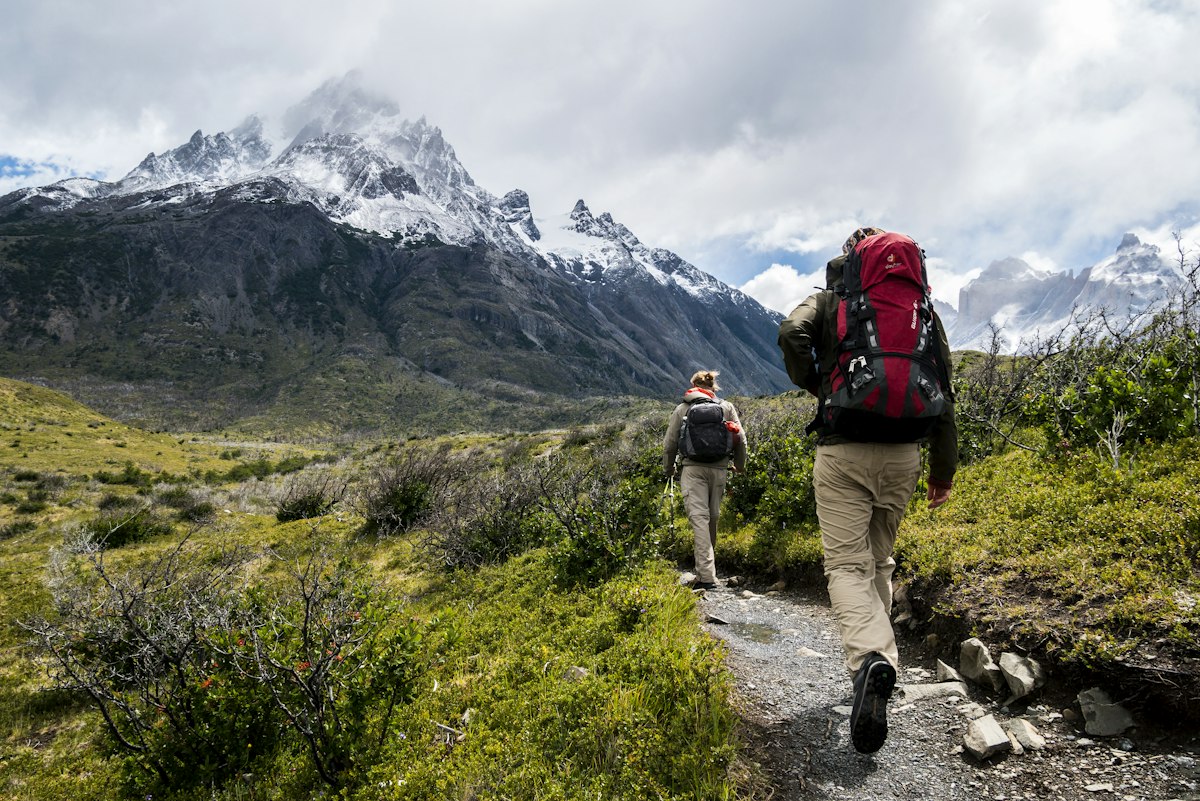
Preparing for a forest hiking adventure requires careful planning and the right equipment. Unlike open terrain trekking, woodland environments present unique challenges including variable weather, dense vegetation, limited visibility, and potential wildlife encounters. This comprehensive forest travel packing list for hiking trips covers everything from essential clothing to safety equipment, ensuring you are fully prepared for whatever the forest may bring. Whether you are planning a day hike through temperate woodlands or a multi-day expedition through tropical rainforest, proper preparation transforms potential discomfort into enjoyable adventure. Use this guide to build your personalized packing system, adapting recommendations to your specific destination, season, and trip duration.
Essential Clothing for Forest Hiking
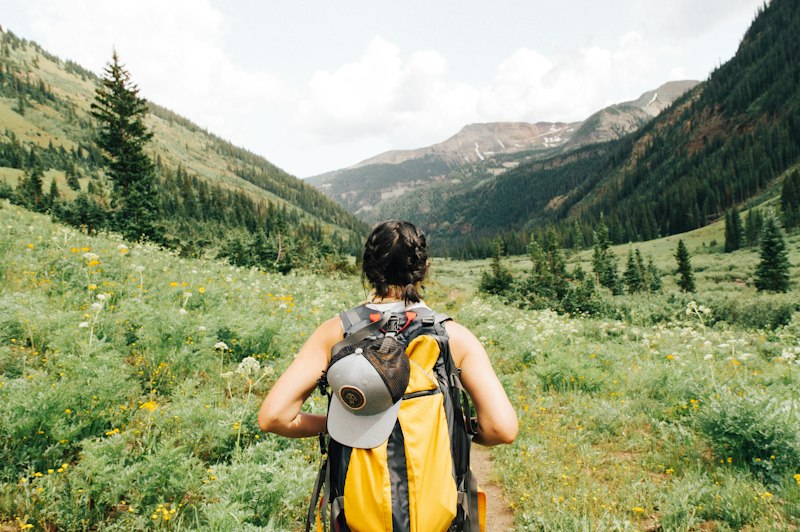
Clothing choices significantly impact comfort and safety during forest hiking. The key principle is layering, which allows you to adjust to changing temperatures and activity levels throughout your trek. Forest environments can shift dramatically from cool, shaded valleys to sun-exposed ridges, and weather can change rapidly within hours.
Base Layers
Your base layer sits directly against your skin and manages moisture. Choose synthetic materials or merino wool that wick sweat away from your body. Avoid cotton, which absorbs moisture and stays wet, potentially leading to chafing and hypothermia even in mild temperatures. Pack multiple base layer options for multi-day trips, allowing rotation while others dry.
For tropical rainforest hiking, lightweight, quick-dry synthetic shirts provide sun protection while managing humidity. In temperate forests, merino wool offers odor resistance and temperature regulation across varying conditions. Long-sleeved options protect against sun, insects, and thorny vegetation while remaining cooler than expected due to moisture-wicking properties.
Mid Layers and Insulation
Fleece jackets or lightweight down sweaters provide warmth during rest stops or cooler morning starts. These layers should be easy to add or remove as conditions change. For cold-weather forest hiking, insulated jackets become essential safety equipment, potentially life-saving if you become immobilized or weather deteriorates unexpectedly.
Convertible hiking pants that zip off into shorts offer versatility for varying temperatures and conditions. Multiple pockets provide convenient storage for small items like maps, compasses, and snacks. Reinforced knees and seat areas withstand the abrasion of sitting on rocks and logs during breaks.
Outer Shell and Rain Protection
A waterproof, breathable rain jacket represents essential forest hiking gear. Look for jackets with pit zips for ventilation during active hiking. The jacket should fit comfortably over your insulation layers without restricting movement. Packable designs stuff easily into daypacks when not needed.
Waterproof rain pants complete your weather protection system. While often overlooked, they prove invaluable during extended rain or when hiking through wet vegetation. Like jackets, choose breathable materials that prevent overheating during active use.
Footwear for Forest Terrain
Your feet carry you through every mile of forest adventure, making proper footwear selection critical. Forest trails present diverse challenges including mud, rocks, roots, stream crossings, and uneven terrain. The right boots provide support, protection, and confidence across these varied conditions.
Hiking Boots
Waterproof hiking boots with aggressive tread patterns handle forest conditions effectively. Mid-cut designs provide ankle support on uneven terrain while protecting against debris and water. Full-grain leather offers durability and water resistance, while synthetic materials dry faster and weigh less.
Break in new boots thoroughly before major trips. Wear them on shorter hikes to identify potential hot spots and allow the materials to conform to your feet. Blisters can ruin otherwise perfect hiking trips, making proper boot preparation essential.
Socks and Foot Care
Merino wool or synthetic hiking socks manage moisture and reduce friction. Bring multiple pairs for multi-day trips, changing into dry socks at lunch breaks and camp. Consider liner socks for additional blister protection on longer treks.
Gaiters provide valuable protection in forest environments, keeping debris, water, and snow out of your boots. They also protect pants legs from abrasion and moisture when hiking through wet vegetation. Low gaiters suit dry conditions, while high gaiters handle deep snow and stream crossings.
Navigation and Safety Equipment
Forest environments can disorient even experienced hikers. Dense canopy limits visibility, and trails may be poorly marked or obscured by vegetation. Proper navigation equipment and skills ensure you can find your way safely.
Maps and Compass
Always carry detailed topographic maps of your hiking area, protected in waterproof map cases or sealed plastic bags. Maps should show trail networks, elevation contours, water sources, and emergency exit routes. Learn to read topographic maps before your trip.
A reliable compass serves as your primary navigation tool. Choose models with adjustable declination for your region. Practice taking bearings and following them in familiar areas before relying on these skills in backcountry situations. Remember that compasses work without batteries, making them essential backup to electronic devices.
GPS and Emergency Communication
GPS devices and smartphone apps provide valuable location information and track your route. However, forest canopy can block satellite signals, and batteries deplete quickly in cold weather. Never rely solely on electronic navigation in forest environments.
Personal locator beacons (PLBs) or satellite messengers provide emergency communication capability in areas without cell coverage. These devices can summon rescue services with the press of a button, potentially life-saving in serious emergency situations. Consider them essential for remote forest hiking.
First Aid and Emergency Supplies
Assemble a comprehensive first aid kit including blister treatment materials, adhesive bandages, antiseptic wipes, gauze pads, medical tape, and elastic bandages. Add medications including pain relievers, antihistamines, anti-diarrheal medication, and any personal prescriptions.
Emergency supplies should include a whistle for signaling, emergency shelter such as a lightweight bivy or space blanket, fire-starting materials, and a headlamp with extra batteries. A small repair kit with duct tape, cordage, and basic tools can fix gear failures in the field.
Overnight and Camping Gear
Multi-day forest hiking requires additional equipment for shelter and comfort. Weight considerations become crucial, as every ounce adds up over miles of trail. Balance comfort against pack weight, investing in lightweight gear where possible.
Shelter Systems
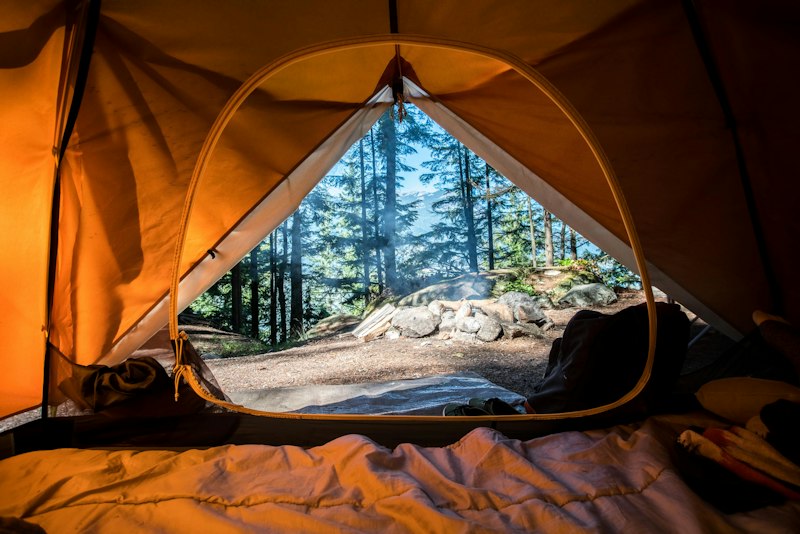
Three-season tents provide adequate protection for most forest hiking conditions. Look for designs with full rainflies, adequate ventilation to manage condensation, and durable bathtub floors that keep water out. Freestanding designs pitch easily on various surfaces.
For ultralight enthusiasts, tarp shelters or hammocks with rain flies reduce weight significantly. These systems require more skill to pitch effectively and provide less protection from insects and weather. Consider your comfort level and expected conditions when choosing shelter systems.
Sleep Systems
Sleeping bags should be rated for temperatures slightly below expected lows. Down insulation offers superior warmth-to-weight ratios but loses effectiveness when wet. Synthetic fills maintain warmth when damp and dry faster, making them practical choices for humid forest environments.
Insulated sleeping pads prevent heat loss to the ground and provide cushioning on uneven surfaces. Inflatable pads offer excellent comfort and pack small, while foam pads provide durability and work even when punctured. R-value ratings indicate insulation effectiveness for different temperature ranges.
Cooking and Water
Lightweight backpacking stoves allow hot meals and drinks that boost morale in challenging conditions. Canister stoves work well in moderate temperatures, while liquid fuel stoves perform better in cold weather. Always carry extra fuel beyond calculated needs.
Water purification is essential in forest environments where sources may be contaminated. Pump filters, gravity systems, UV sterilizers, or chemical treatments each have advantages. Carry backup purification methods in case primary systems fail. Plan water capacity based on distance between reliable sources.
Personal Items and Extras
Beyond the essentials, several items enhance forest hiking comfort and safety. Sunscreen and insect repellent protect against environmental hazards. Sunglasses reduce eye strain in bright conditions. Trekking poles reduce impact on knees and improve stability on uneven terrain.
Bring a camera or smartphone for documenting your adventure, protected in waterproof cases. Notebook and pencil allow journaling and leave-no-trace communication. Small luxuries like camp shoes, a book, or quality chocolate improve morale during extended trips.
Personal hygiene items should be biodegradable and packed out. Toothbrush, toothpaste, toilet paper, and hand sanitizer maintain basic cleanliness. For women, menstrual products and disposal bags require planning in areas without facilities.
Frequently Asked Questions
How much should my backpack weigh for a day hike?
For day hikes, aim for a pack weight under 10-15 pounds including water. This allows comfortable movement while carrying essentials. Multi-day backpacking trips typically target base weights (gear without food and water) under 20 pounds for comfort, though experienced ultralight hikers achieve significantly less.
What is the most commonly forgotten hiking item?
Headlamps and extra batteries top the list of forgotten items, leaving hikers stranded in darkness. Other commonly forgotten essentials include rain gear, first aid supplies, and sufficient water capacity. Creating and following a written packing checklist prevents these oversights.
Should I rent or buy hiking gear?
For beginners, renting specialized gear like backpacks, tents, and sleeping bags allows you to discover preferences before investing. Many outdoor retailers offer rental programs. Once you identify preferred styles and commit to regular hiking, purchasing quality gear becomes more economical.
How do I protect my gear from rain in the forest?
Use pack liners or waterproof stuff sacks inside your backpack to keep contents dry. Pack covers protect the exterior but can fail in heavy rain. Electronics deserve particular protection in waterproof cases or zip-lock bags. Always assume rain is possible and prepare accordingly.
What food should I pack for forest hiking?
Choose lightweight, calorie-dense foods that require minimal preparation. Trail mix, energy bars, dried fruit, nuts, jerky, and dehydrated meals work well. Avoid bulky, heavy items with low nutritional value. Pack extra food beyond calculated needs for emergency situations.