Top Jungle Adventures and Forest Hiking Trails Around the World
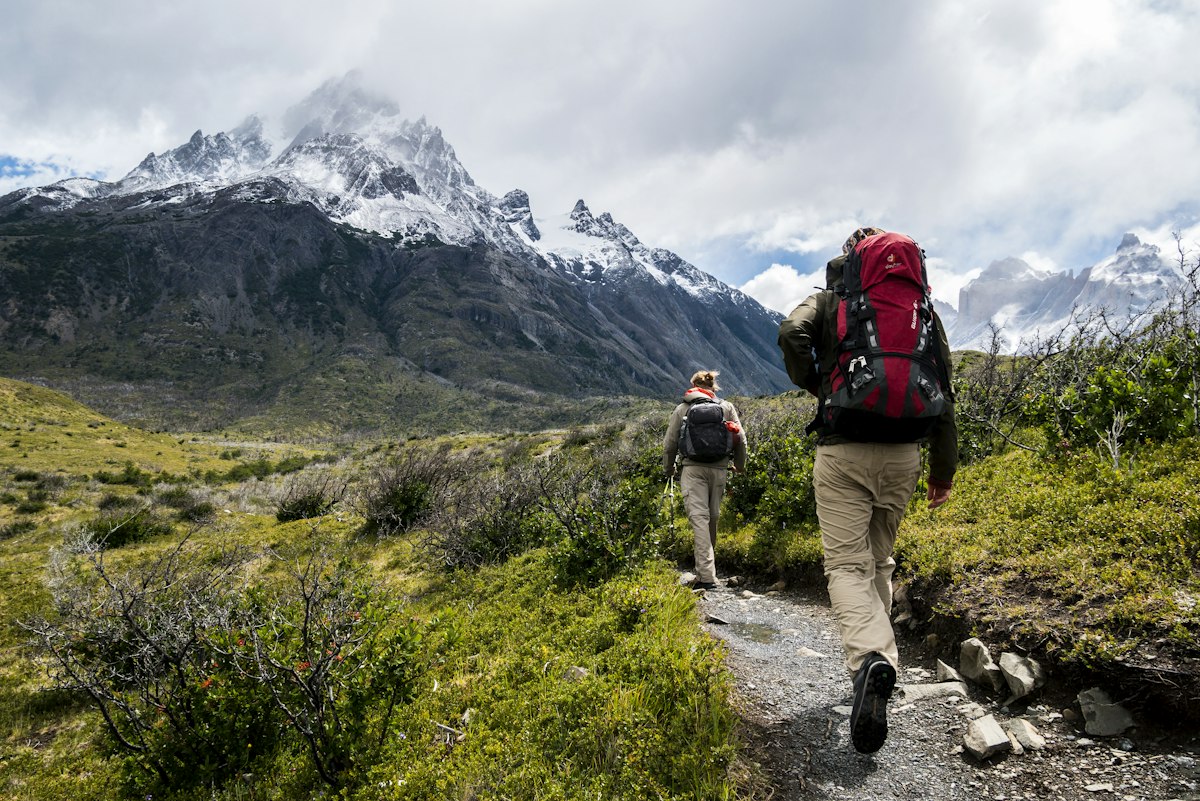
There's something primal and deeply satisfying about trekking through dense forest, surrounded by towering trees, exotic wildlife, and the symphony of nature. For adventure seekers and nature enthusiasts alike, exploring the best jungle hiking trails offers experiences that simply cannot be replicated in any other environment. This comprehensive guide brings together the world's most spectacular forest adventure travel ideas, from legendary multi-day expeditions to accessible day hikes that still deliver incredible rewards. Whether you're seeking challenging jungle trekking destinations or simply want a reliable rainforest hiking guide for your next vacation, these adventure forest vacations promise unforgettable journeys into the heart of our planet's most captivating wilderness areas.
Best Jungle Hiking Trails
1. Inca Trail, Peru - The Legendary Andean Trek
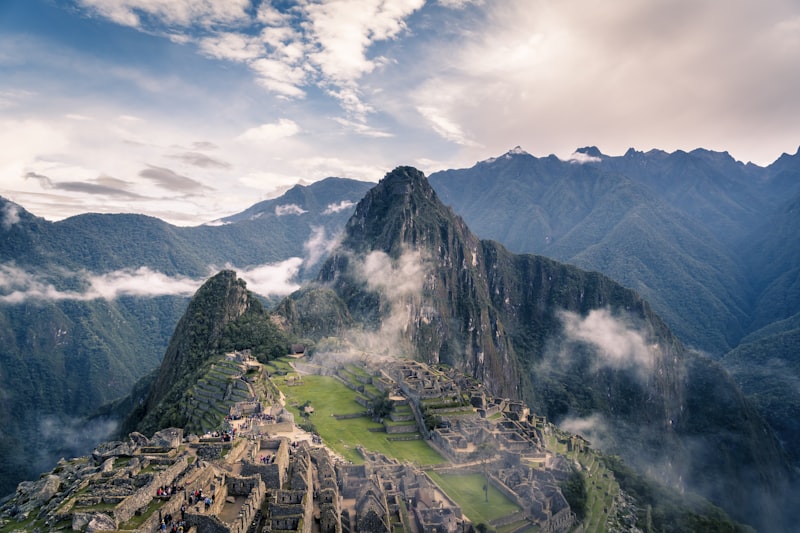
The Inca Trail stands as perhaps the world's most famous trekking route, and for good reason. This 26-mile journey through the Peruvian Andes combines stunning mountain scenery, cloud forest ecosystems, and remarkable archaeological sites, culminating at the breathtaking citadel of Machu Picchu. While not a jungle trek in the tropical sense, the trail passes through diverse forest environments that showcase the remarkable biodiversity of the region.
The classic four-day trek demands reasonable fitness and advance booking—permits are limited to 500 people daily, including guides and porters, and often sell out months in advance. The trail reaches elevations over 13,800 feet at Dead Woman's Pass, requiring proper acclimatization. Alternative routes like the Salkantay Trek or Lares Trek offer equally spectacular experiences with fewer crowds and more flexible booking.
For the best experience, plan your trek during the dry season (May to September), though the trail is open year-round except February when maintenance occurs. Hire reputable local operators who treat their porters fairly and practice responsible tourism principles. The sense of achievement upon reaching Machu Picchu at sunrise after days of hiking is genuinely life-changing.
2. Kokoda Track, Papua New Guinea - A Trek Through History
The Kokoda Track represents one of the most challenging and historically significant jungle treks in the world. This 60-mile trail traverses the Owen Stanley Range in Papua New Guinea, following the path of brutal World War II battles between Japanese and Australian forces. Today, it stands as a pilgrimage for many Australians and an extraordinary adventure for trekkers worldwide.
The trail demands excellent physical preparation and mental resilience. Trekkers face extreme humidity, torrential rain, river crossings, and steep ascents through dense jungle. The journey typically takes 4-10 days depending on fitness levels and itinerary. Along the way, local guides share stories of the campaign's history while navigating through pristine rainforest teeming with birdlife, including the spectacular birds of paradise.
This trek requires careful planning with experienced operators familiar with the region's challenges. The best trekking season runs from July to November when rainfall is reduced. Beyond the physical challenge, the Kokoda Track offers profound insights into human endurance, sacrifice, and the remarkable hospitality of Papua New Guinean communities.
3. Borneo Rainforest Trails - Into the Heart of Orangutan Territory
Borneo's ancient rainforests offer some of the most accessible yet rewarding jungle trekking experiences in Southeast Asia. The island's protected areas, including Gunung Mulu National Park and Danum Valley Conservation Area, provide well-maintained trails through primary rainforest where orangutans, pygmy elephants, proboscis monkeys, and countless other species thrive.
Mulu's trail system caters to various fitness levels, from gentle boardwalks to challenging summit treks. The park's show caves, including the world's largest cave chamber, add unique dimensions to the hiking experience. Danum Valley offers more remote trekking through pristine lowland rainforest, with excellent chances of wild orangutan encounters and the possibility of spotting the elusive clouded leopard.
The dry season (March to October) offers the most comfortable trekking conditions, though Borneo's equatorial climate means rain is possible year-round. Local guides are essential for safety and wildlife spotting—their trained eyes reveal camouflaged creatures invisible to untrained observers. Accommodation ranges from basic park lodges to luxury rainforest retreats.
4. Corcovado National Park, Costa Rica - The Most Biologically Intense Place on Earth

National Geographic famously described Corcovado National Park as "the most biologically intense place on Earth in terms of biodiversity." This remote park on Costa Rica's Osa Peninsula protects the largest remaining lowland rainforest in Central America, offering extraordinary wildlife viewing opportunities and pristine hiking trails through varied ecosystems.
The park's trail network ranges from coastal hikes to inland treks through primary forest. The challenging traverse from Los Patos to Sirena to La Leona covers approximately 30 miles and typically takes 3-4 days, offering chances to encounter tapirs, jaguars, scarlet macaws, and all four Costa Rican monkey species. Shorter day hikes from the Sirena Ranger Station provide accessible alternatives for less experienced trekkers.
Corcovado's remoteness requires careful preparation. All visits need advance reservations, and a guide is mandatory for most trails. The dry season (December to April) offers easier hiking conditions, though wildlife is abundant year-round. The park's isolation means limited facilities—trekkers must carry adequate supplies and be prepared for basic camping conditions.
Essential Gear for Forest Hiking
Proper equipment can make the difference between an enjoyable trek and a miserable ordeal. For jungle and forest hiking, moisture management is paramount. Quick-dry, synthetic clothing in neutral colors works best—avoid cotton, which stays wet and can lead to hypothermia even in tropical climates. Long sleeves and pants protect against insects, thorns, and sun exposure.
Footwear requires careful consideration. Waterproof hiking boots with aggressive tread patterns provide ankle support and traction on muddy trails. Many experienced trekkers also bring lightweight camp shoes to give their feet relief in the evenings. Quality merino wool or synthetic hiking socks prevent blisters and manage moisture.
Essential gear includes a reliable rain jacket, headlamp with extra batteries, first aid kit, water purification method, high-SPF sunscreen, insect repellent, and a whistle for emergencies. Trekking poles provide stability on uneven terrain and reduce impact on knees during descents. A quality backpack with rain cover keeps gear dry in downpours that are common in tropical forests.
Safety Tips for Jungle Adventures
Jungle environments present unique challenges that demand respect and preparation. Always inform someone of your itinerary and expected return time before heading into remote areas. Carry emergency communication devices such as satellite messengers where cell coverage is nonexistent.
Water safety is critical—never assume stream water is safe to drink without proper treatment. Giardia and other waterborne pathogens are common in forest environments. Stay hydrated, especially in humid tropical climates where sweat evaporates slowly and dehydration can occur unnoticed.
Wildlife encounters require calm, informed responses. Most animals prefer avoiding humans, but knowing how to react to unexpected meetings with snakes, large mammals, or stinging insects is essential. Never approach or feed wildlife, and maintain appropriate distances from all animals.
Weather in forest environments can change rapidly. Check forecasts before departing, but be prepared for unexpected conditions. Flash floods are a serious risk in narrow valleys—know your evacuation routes and avoid camping in dry riverbeds. Lightning poses significant dangers in exposed areas; seek lower ground and avoid isolated trees during storms.
Guided vs. Independent Trekking
The decision between guided and independent trekking depends on multiple factors including experience level, destination, and personal preferences. Guided treks offer significant advantages for jungle hiking: local knowledge of trails and conditions, wildlife spotting expertise, safety backup, and logistical support. Guides also facilitate meaningful cultural exchanges with local communities.
For challenging or remote destinations like the Kokoda Track or Corcovado, guided treks are often mandatory and always recommended. The expertise of experienced guides can be lifesaving when weather deteriorates, injuries occur, or navigation becomes challenging. Quality guides also enhance the experience by sharing ecological and cultural knowledge.
Independent trekking suits experienced hikers on well-marked trails in areas with reliable infrastructure. Popular routes like portions of the Inca Trail network or established Borneo park trails can be suitable for independent hikers with proper preparation. However, even experienced trekkers should carry emergency communication devices and inform others of their plans.
Consider hybrid approaches where available—self-guided walks between established campsites or day hikes from base lodges combine independence with security. Many forest destinations now offer guide services for specific activities like wildlife spotting while allowing independent exploration of marked trails.
Frequently Asked Questions
What fitness level is required for jungle trekking?
Fitness requirements vary by trail. Day hikes in places like Borneo may suit moderately fit walkers, while multi-day treks like Kokoda demand excellent cardiovascular fitness and strength training. Most trek operators provide detailed fitness guidelines—be honest about your abilities and train adequately before departure.
How do I protect against insects in the jungle?
Use DEET-based repellent on exposed skin, treat clothing with permethrin, wear long sleeves and pants, and consider a mosquito net for sleeping. Some travelers take antimalarial prophylaxis depending on destination. Check with travel health professionals for destination-specific recommendations well before departure.
What is the best time of year for rainforest hiking?
Generally, dry seasons offer easier hiking conditions with less mud and fewer leeches. However, wildlife may be more dispersed around water sources during dry periods. Research your specific destination's climate patterns—some forests have distinct wet/dry seasons while others receive rainfall year-round.
Are jungle treks safe for solo travelers?
Solo trekking in remote jungle environments is not recommended due to safety risks. Join organized group treks or hire private guides. Many operators can match solo travelers with groups. If you have trekking experience, popular trails with regular traffic may be suitable for solo hiking with proper precautions.
What should I do if I get lost in the forest?
Stay calm and stop moving to avoid becoming more lost. Use your whistle (three blasts is a standard distress signal). Stay put if you have informed someone of your route—moving makes search efforts harder. Conserve energy and water. If you have emergency communication devices, use them. Most importantly, prevention through proper planning and navigation skills is always better than response.