Best Rainforest Hiking Trails in the World: Ultimate Trekking Guide 2026

There is something profoundly transformative about trekking through ancient rainforest, where towering trees create living cathedrals and every step reveals new wonders of biodiversity. For adventure enthusiasts and nature lovers alike, discovering the best rainforest hiking trails in the world represents the ultimate bucket-list achievement. These trails offer more than physical challenge; they provide portals into ecosystems that have evolved over millions of years, harboring creatures found nowhere else on Earth. Whether you are seeking multi-day expeditions through pristine wilderness or accessible day hikes that still deliver extraordinary experiences, this comprehensive guide will lead you to the most spectacular rainforest trekking destinations across six continents. From the mist-shrouded mountains of Central America to the steamy lowlands of Southeast Asia, prepare to discover trails that will forever change how you view our planet's most vital ecosystems.
What Makes Rainforest Hiking Unique
Before diving into specific trails, understanding what distinguishes rainforest hiking from other trekking experiences helps set appropriate expectations. Rainforest environments present unique challenges and rewards that require specific preparation and mindset. The combination of high humidity, unpredictable weather, dense vegetation, and incredible biodiversity creates an immersive experience unlike any other form of hiking.
The sensory experience of rainforest hiking overwhelms in the best possible way. Your ears fill with the chorus of cicadas, frog calls, and bird songs echoing through the canopy. Your eyes strain to process the layers of green, from the moss-covered forest floor to the emergent trees piercing the sky. The air feels thick with moisture and the scent of decomposing leaves, flowers, and earth. Every sense engages simultaneously, creating a meditative state that many hikers describe as deeply therapeutic.
Wildlife encounters in rainforests differ fundamentally from temperate hiking experiences. Rather than spotting large mammals from a distance, rainforest hiking rewards patience and attention to detail. A trained eye might spot leaf-mimicking insects, camouflaged snakes coiled on branches, or troops of monkeys moving through the canopy. Night hikes reveal entirely different communities of nocturnal creatures, from glowing fungi to hunting owls and tarantulas emerging from burrows.
Top Rainforest Hiking Trails in Central and South America
Corcovado National Park, Costa Rica

National Geographic described Corcovado as "the most biologically intense place on Earth," and hiking here proves why. Located on Costa Rica's remote Osa Peninsula, this park protects the largest remaining lowland rainforest in Central America. The trail system offers options ranging from coastal walks to challenging inland treks through primary forest.
The classic traverse from Los Patos to Sirena to La Leona covers approximately 30 miles and typically requires three to four days. This route passes through multiple ecosystems, from cloud forest at higher elevations to mangrove swamps along the coast. Hikers regularly encounter all four Costa Rican monkey species, tapirs, scarlet macaws, and with luck, jaguars or pumas. The Sirena Ranger Station serves as a hub for shorter day hikes, offering access to pristine forest without committing to multi-day treks.
Corcovado demands respect and preparation. All multi-day hikes require guides, and advance reservations are essential due to limited capacity. The dry season from December to April offers easier hiking conditions, though wildlife remains abundant year-round. River crossings can be challenging during wet periods, and hikers must carry all supplies as there are no resupply points within the park.
Inca Trail to Machu Picchu, Peru
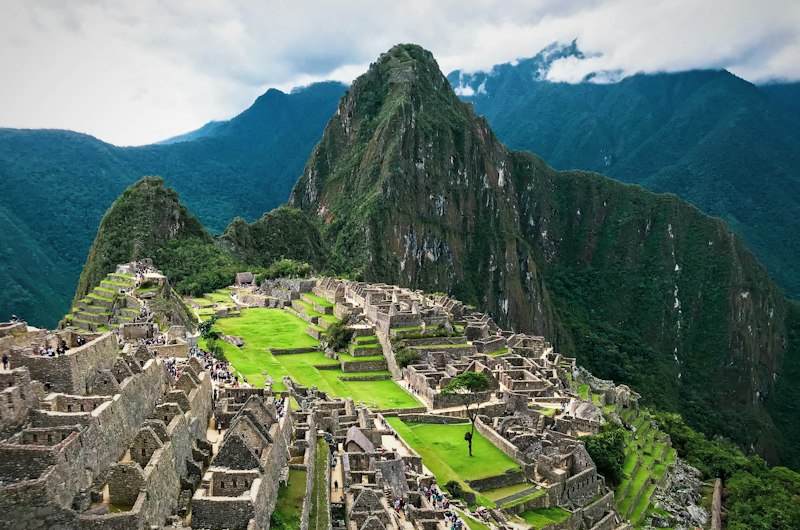
While famous primarily for its archaeological significance, the Inca Trail also provides an exceptional cloud forest hiking experience. The four-day trek passes through multiple ecological zones, with the final days traversing dense subtropical forest characterized by orchids, bromeliads, and moss-draped trees. The combination of historical ruins and natural beauty makes this one of the world's most sought-after treks.
The trail reaches elevations over 13,800 feet at Dead Woman's Pass before descending into the cloud forest zone. This altitude variation creates dramatic changes in vegetation, with the lower sections featuring tree ferns, bamboo groves, and an incredible diversity of epiphytes. The famous Wiñay Wayna ruins sit surrounded by lush forest, offering a preview of Machu Picchu's jungle setting.
Permits for the classic Inca Trail sell out months in advance, limited to 500 people daily including guides and porters. Alternative routes like the Salkantay Trek or Lares Trek offer equally spectacular forest hiking with greater availability. All treks require proper acclimatization to altitude, and the physical demands should not be underestimated.
Ciudad Perdida Trek, Colombia
The Lost City trek leads to Teyuna, an ancient archaeological site predating Machu Picchu by several centuries. This four to six-day journey through Colombia's Sierra Nevada de Santa Marta mountains offers exceptional rainforest hiking through indigenous territories. The trail follows the Buritaca River, crossing multiple times and passing through dense tropical forest home to jaguars, tapirs, and hundreds of bird species.
What distinguishes this trek is the cultural context provided by indigenous Wiwa and Kogi communities who maintain traditional relationships with these forests. Local guides share knowledge of medicinal plants, animal behavior, and the spiritual significance of landscapes that outsiders might overlook. The final ascent to Ciudad Perdida involves climbing 1,200 stone steps through cloud forest, emerging at the archaeological site surrounded by misty peaks.
The trek requires reasonable fitness and comfort with basic conditions. Accommodation consists of simple campsites with hammocks or beds, and meals are prepared by support staff. The region's political stability has improved dramatically, making this once-dangerous area accessible to adventurous travelers seeking authentic experiences away from more touristed routes.
Asia's Premier Rainforest Trekking Destinations
Kinabalu Park and Surrounding Trails, Borneo
Malaysian Borneo offers some of Southeast Asia's most accessible yet rewarding rainforest hiking. Mount Kinabalu dominates the landscape, but the surrounding parklands contain extensive trail networks through montane rainforest that transitions to cloud forest at higher elevations. The area's exceptional biodiversity includes the world's largest flower, the Rafflesia, and numerous endemic orchid species.
The trail to Mount Kinabalu's summit is non-technical but demanding, typically completed over two days with an overnight at Laban Rata. While the upper sections feature rocky terrain, the lower forests showcase incredible plant diversity, with pitcher plants and rhododendrons lining the path. For those seeking less strenuous options, numerous nature trails near park headquarters offer excellent wildlife viewing opportunities.
Danum Valley Conservation Area provides a more remote Borneo experience. This protected lowland rainforest hosts wild orangutans, pygmy elephants, and clouded leopards. The canopy walkway offers a unique perspective on forest structure, while guided walks reveal the complex relationships within this ecosystem. Night drives and walks provide chances to spot nocturnal species rarely seen during daylight.
Khao Sok National Park, Thailand
Thailand's oldest rainforest covers the limestone karst mountains of Khao Sok, creating a landscape reminiscent of Chinese paintings. The park's trails range from easy nature walks to challenging multi-day treks, with options suitable for all fitness levels. The combination of ancient forest, dramatic limestone cliffs, and Cheow Lan Lake provides diverse hiking experiences.
Overnight trips typically involve staying in floating bungalows on the lake, surrounded by forested mountains that reflect perfectly in still waters. Guided hikes explore caves filled with stalactites and stalagmites, while morning mist creates ethereal atmospheres perfect for photography. The park's gibbon population provides a dawn chorus that visitors never forget.
Wildlife encounters in Khao Sok include Asian elephants, sun bears, clouded leopards, and numerous monkey species. While large mammals remain elusive, the signs of their presence are everywhere. Expert guides help interpret tracks, calls, and other indicators that reveal the forest's hidden inhabitants. The park's accessibility from popular tourist destinations like Phuket and Krabi makes it an excellent introduction to Southeast Asian rainforest hiking.
Western Ghats Trails, India
The Western Ghats mountain range along India's west coast contains some of the subcontinent's best-preserved rainforest. Designated a UNESCO World Heritage site, these forests harbor exceptional biodiversity including endemic species found nowhere else. Trails range from day hikes to multi-day treks through shola grasslands and montane evergreen forests.
Silent Valley National Park in Kerala protects one of India's last undisturbed tropical evergreen forests. The park's trail system allows visitors to experience primary rainforest that has never been logged, home to lion-tailed macaques, Nilgiri langurs, and the endangered Nilgiri tahr. The Kunthi River valley provides a dramatic backdrop for hikes through this pristine wilderness.
The region's tea plantations create interesting contrasts with natural forest, and many trails pass through both environments. Homestays in plantation villages offer authentic cultural experiences alongside natural exploration. The Western Ghats' relatively cool climate compared to lowland rainforests makes hiking more comfortable, though monsoon season from June to September brings heavy rainfall that can make trails challenging.
Oceania's Rainforest Hiking Experiences
Daintree National Park, Australia
The Daintree represents the oldest continuously surviving tropical rainforest on Earth, dating back over 180 million years. This remarkable ecosystem survived the continental shifts that transformed Gondwana, preserving plant families that have disappeared elsewhere. Hiking here offers a glimpse into Earth's distant past.
The park's trail network accommodates all abilities, from wheelchair-accessible boardwalks to challenging hikes up Thornton Peak. The Jindalba and Marrdja boardwalks provide excellent introductions to rainforest ecology, with interpretive signage explaining the complex relationships between plants, animals, and fungi. More adventurous hikers can tackle the Mount Sorrow trail, a demanding climb offering panoramic views over the forest canopy to the Coral Sea.
Indigenous-guided walks add cultural dimensions to the Daintree experience. The Kuku Yalanji people have inhabited this landscape for tens of thousands of years, developing sophisticated understanding of its resources and seasonal patterns. Their guides share traditional knowledge of bush foods, medicinal plants, and Dreamtime stories that connect the landscape to spiritual beliefs.
Fiordland National Park, New Zealand
While famous for its fjords, Fiordland also contains extensive temperate rainforest that receives up to 23 feet of annual rainfall. The Milford Track, often called the finest walk in the world, passes through this lush environment over four days of hiking. The trail features dramatic valleys carved by glaciers, countless waterfalls, and forests dominated by silver beech and podocarp trees.
The Routeburn Track offers a higher-altitude alternative, traversing alpine meadows and mountain passes before descending into beech forest valleys. Both tracks require booking through the Department of Conservation, with hut accommodation along the routes. The Great Walks season runs from late October to April, when weather conditions are most favorable.
Kea, the world's only alpine parrot, frequently encounters hikers along these trails, displaying remarkable intelligence and curiosity. Other wildlife includes kiwi, weka, and numerous forest birds. The combination of dramatic scenery, well-maintained trails, and comfortable hut accommodation makes Fiordland an excellent destination for hikers new to multi-day trekking.
Essential Preparation for Rainforest Hiking
Successful rainforest hiking requires specific preparation beyond standard trekking gear. Moisture management becomes paramount in humid environments where sweat does not evaporate efficiently. Synthetic or merino wool clothing performs better than cotton, which stays wet and can lead to chafing and hypothermia even in tropical temperatures.
Footwear demands careful consideration. Waterproof hiking boots with aggressive tread patterns provide ankle support on uneven terrain, though some hikers prefer trail runners that dry more quickly. Gaiters help keep debris and water out of boots during stream crossings and muddy sections. Multiple pairs of socks allow rotation, ensuring dry options are always available.
Rain protection extends beyond jackets to include pack covers, dry bags for electronics, and waterproof cases for maps and documents. Quick-dry towels prove invaluable for managing moisture. Insect protection includes repellent, permethrin-treated clothing, and mosquito nets for sleeping in areas with disease vectors.
Physical preparation should include cardiovascular conditioning and strength training, particularly for legs and core. Practice hikes with loaded packs help identify gear issues and build endurance. Mental preparation matters equally—rainforest hiking often involves discomfort from heat, humidity, and insects, requiring positive attitudes to maintain enjoyment.
Frequently Asked Questions
What is the best time of year for rainforest hiking?
Dry seasons generally offer the best hiking conditions, with firmer trails and reduced leech activity. However, wildlife viewing can be excellent during wet seasons when animals concentrate around water sources. Research your specific destination's climate patterns, as equatorial regions may have less distinct seasonal variation than areas with pronounced wet and dry periods.
How physically demanding is rainforest hiking?
Difficulty varies tremendously by trail. Some rainforest boardwalks accommodate wheelchairs, while multi-day treks may require significant fitness and backpacking experience. Heat and humidity add challenges beyond elevation gain and distance. Start with easier trails to assess your comfort with conditions before attempting more demanding routes.
What wildlife dangers should I be aware of?
Most rainforest wildlife prefers avoiding humans. Realistic concerns include venomous snakes in some regions, stinging insects, and disease vectors like mosquitoes. Proper footwear protects against snake bites, while appropriate clothing and repellent reduce insect issues. Follow local guidelines and guide instructions regarding specific regional hazards.
Do I need a guide for rainforest hiking?
Many established trails can be hiked independently by experienced trekkers. However, guides provide significant value through safety backup, wildlife spotting expertise, and cultural interpretation. Some remote areas require guides for access. For your first rainforest hiking experience, guided trips often provide better introduction to conditions and challenges.
What photography equipment should I bring?
Rainforest photography presents unique challenges including low light, high humidity, and precipitation. Weather-sealed cameras perform best, but protective covers work for less robust equipment. Tripods prove useful for low-light situations, though weight considerations matter for multi-day treks. Microfiber cloths help manage lens condensation in humid conditions.