How to Plan a Forest Vacation Step by Step: Complete Planning Guide 2026
Planning a forest vacation can feel overwhelming with countless destinations, accommodation options, and logistical considerations to navigate. Whether you are dreaming of ancient woodlands, tropical rainforests, or misty mountain forests, this comprehensive guide will walk you through how to plan a forest vacation step by step. We will cover everything from choosing your destination to booking accommodations, including crucial decisions like determining the best time of year to visit temperate forests, calculating how many days to spend in a national park, understanding what to know before going to a rainforest, and deciding how to choose between camping and an eco-lodge. By following this systematic approach, you will transform your forest travel dreams into perfectly executed adventures that create lasting memories while respecting the precious ecosystems you visit.
How to Plan a Forest Vacation Step by Step
Successful forest vacations result from methodical planning that addresses each aspect of your journey. Follow these steps to ensure nothing is overlooked and your adventure proceeds smoothly from start to finish.
Step 1: Define Your Goals and Preferences
Begin by clarifying what you want from your forest experience. Are you seeking physical challenge through hiking and camping, or relaxation in comfortable accommodations surrounded by nature? Do you prioritize wildlife viewing, photography, solitude, or family activities? Understanding your priorities helps narrow destination options and shapes all subsequent decisions.
Consider your fitness level and outdoor experience honestly. Some forest destinations require significant physical exertion and backcountry skills, while others offer accessible experiences suitable for all abilities. Matching your destination to your capabilities ensures enjoyment rather than struggle.
Determine your budget range early, as forest vacations span from budget camping trips to luxury eco-resorts. Factor in transportation, accommodation, meals, activities, equipment, and emergency reserves. Having clear financial parameters prevents disappointment from falling in love with destinations beyond your means.
Step 2: Research and Select Your Destination
With goals defined, research destinations that align with your interests and constraints. Consider factors including climate during your travel dates, accessibility, required permits or reservations, and current travel conditions. Read recent trip reports and reviews from travelers with similar interests and experience levels.
Investigate the specific forests and parks within your chosen region. Large protected areas often contain multiple ecosystems and visitor zones with different characteristics. Some areas emphasize wildlife viewing, others focus on hiking trails, and some cater to educational experiences. Match specific locations within parks to your priorities.
Check permit requirements and reservation systems well in advance. Popular destinations often require bookings months ahead, particularly for peak seasons and special activities like gorilla trekking or backcountry camping. Understanding these requirements early prevents last-minute disappointments.
Step 3: Plan Your Itinerary and Duration
Determine how many days to allocate for your forest vacation, considering travel time to and from the destination. Rushing through forest experiences diminishes their restorative benefits and reduces wildlife sighting opportunities. Build in buffer days for weather delays and spontaneous discoveries.
Structure your daily activities realistically, accounting for travel time between locations, meal preparation or procurement, and the slower pace of forest environments. Avoid over-scheduling; forest vacations benefit from unstructured time for observation and reflection.
Research seasonal patterns that might affect your experience, including wildlife activity cycles, weather patterns, and visitor crowds. Some destinations offer completely different experiences across seasons, from wildflower-filled springs to colorful autumns or snow-covered winters.
Step 4: Arrange Transportation and Logistics
Book flights, trains, or other long-distance transportation well in advance for better prices and availability. Consider arrival and departure times relative to ground transportation connections. Some remote forest destinations require complex multi-stage journeys that need careful coordination.
Arrange local transportation, whether rental vehicles, shuttle services, or guided transport. Forest destinations often have limited public transportation, and having reliable mobility significantly enhances your experience. Four-wheel-drive vehicles may be necessary for some destinations.
Confirm accommodation bookings and understand check-in procedures, particularly for remote lodges or campsites with limited reception hours. Carry confirmation details and emergency contact numbers. Share your itinerary with trusted contacts who can raise alarms if you do not check in as planned.
Step 5: Prepare Equipment and Supplies
Create comprehensive packing lists tailored to your destination, season, and activities. Forest environments demand specific gear including appropriate footwear, rain protection, insect defense, and navigation tools. Do not underestimate weather variability or overestimate your tolerance for discomfort.
Test all equipment before departure, particularly new purchases. Break in hiking boots on shorter walks to prevent blisters. Ensure tents are complete and functional. Verify camera batteries, memory cards, and charging solutions. Equipment failures in remote forest locations create serious problems.
Prepare physically for your trip through appropriate exercise and conditioning. Hiking fitness cannot be achieved overnight, and starting a challenging forest vacation unprepared leads to misery rather than enjoyment. Begin conditioning at least six weeks before departure for demanding trips.
Best Time of Year to Visit Temperate Forests
Understanding the best time of year to visit temperate forests helps you experience these environments at their finest while avoiding seasonal challenges. Unlike tropical forests with relatively consistent conditions, temperate forests transform dramatically across seasons, each offering distinct advantages and considerations.
Spring: Renewal and Wildflowers
Spring brings forest renewal as deciduous trees leaf out and wildflowers carpet the forest floor before the canopy closes. This season offers excellent bird watching as migratory species return and resident birds establish territories. Temperatures remain moderate, though rain is frequent and trails may be muddy.
Wildflower enthusiasts should time visits for peak bloom periods, which vary by elevation and latitude. Trilliums, bluebells, and orchids create spectacular displays in eastern North American forests. California's wildflower season transforms normally dry woodlands into colorful gardens.
Spring disadvantages include unpredictable weather, muddy trails, and biting insects emerging with warming temperatures. Some higher elevation areas remain inaccessible due to snow. However, the sense of awakening and renewal makes spring visits deeply rewarding for many travelers.
Summer: Full Canopy and Long Days
Summer provides the fullest forest experience with complete canopy cover creating deep green shade. Long daylight hours extend hiking and photography opportunities. Warm temperatures allow comfortable camping and water activities in forest lakes and streams.
Wildlife viewing peaks as animals are most active raising young. Berries and other forest foods attract bears and birds, creating excellent observation opportunities. Fireflies illuminate evening forests in many regions, adding magical elements to summer nights.
Challenges include crowds at popular destinations, biting insects at their peak, and hot, humid conditions in some regions. Afternoon thunderstorms are common in many forest areas, requiring flexible planning. Early morning and evening activities avoid both heat and crowds.
Autumn: Spectacular Foliage and Mild Weather
Autumn brings the famous color changes that make temperate forests world-famous tourism destinations. The combination of comfortable temperatures, reduced insects, and spectacular visual displays makes this the peak season for many forest areas. Clear autumn air provides excellent visibility for photography.
Fall foliage timing varies by species and elevation, creating extended seasons in mountainous areas where colors progress from high to low elevations. Peak colors typically last only one to two weeks in any given location, requiring precise timing or flexibility.
Disadvantages include peak crowds at popular destinations and the need for advance reservations. Weather becomes increasingly unpredictable as winter approaches. Some facilities close after peak season, limiting services in late autumn.
Winter: Serenity and Snow
Winter transforms forests into serene landscapes of bare branches and snow cover. The silence of winter forests, broken only by wind and occasional wildlife, offers profound peace unavailable in busier seasons. Cross-country skiing and snowshoeing provide access to areas unreachable in other seasons.
Wildlife tracking becomes easier in snow, revealing the secret movements of normally hidden animals. Evergreen forests create stunning contrasts against white snow. Hot springs in forest settings offer particularly magical winter experiences.
Winter visits require cold-weather gear and skills, with shorter days limiting activities. Some areas become inaccessible due to snow, and facilities may be closed. However, those prepared for winter conditions find unmatched solitude and beauty.
How Many Days to Spend in a National Park
Determining how many days to spend in a national park requires balancing thorough exploration against time and budget constraints. Too brief a visit leaves you rushed and disappointed; too long may result in diminishing returns as you exhaust the park's offerings.
Day Trips: Tasting the Experience
Single-day visits allow glimpses of national parks but barely scratch the surface of what these protected areas offer. Day trips work for parks near urban areas or those with concentrated attractions accessible from main roads. You will see scenic highlights and get a sense of the landscape, but miss the deeper experiences that come with immersion.
For day visits, focus on one or two key attractions rather than attempting to see everything. Choose activities matching your interests, whether scenic drives, short hikes, or visitor center programs. Accept that you are sampling rather than experiencing the park fully.
Weekend Visits: Introductory Exploration
Two to three days allow more meaningful engagement with smaller national parks or focused exploration of specific areas within larger parks. You can complete several hikes, attend ranger programs, and experience both dawn and dusk in the park. Weekend visits work well for regional parks within driving distance of home.
Plan weekend visits around specific goals, such as photographing a particular location at optimal light, completing a signature hike, or attending a special event. Having clear objectives helps prioritize limited time effectively.
One Week: Comprehensive Experience
Five to seven days represents the ideal duration for most national parks, allowing exploration of diverse areas without rushing. You can experience different ecosystems, complete multiple significant hikes, and have unscheduled time for spontaneous discoveries. Wildlife sightings increase with time spent in the park.
Week-long visits allow adjustment to park rhythms and weather patterns. You can revisit favorite locations under different lighting conditions, pursue specific photography goals, and take rest days between strenuous activities. This duration supports genuine connection with the landscape.
Extended Stays: Deep Immersion
Longer visits of two weeks or more suit serious photographers, researchers, or those seeking transformative wilderness experiences. Extended stays allow you to explore backcountry areas, track wildlife movements, and experience the park through changing weather and seasons.
For major parks with diverse ecosystems, extended visits may be necessary to experience the full range of attractions. Parks like Yellowstone, Yosemite, or the Great Smoky Mountains contain enough variety to reward weeks of exploration.
What to Know Before Going to a Rainforest

Understanding what to know before going to a rainforest prepares you for environments fundamentally different from temperate forests. Rainforests present unique challenges and rewards that require specific preparation and mindset adjustments.
Climate and Weather Realities
Rainforests are defined by abundant rainfall, typically receiving 80 to 400 inches annually depending on location. Rain can occur any time of day, though many regions have distinct wet and dry seasons. Humidity remains consistently high, often exceeding 80 percent, creating conditions where sweat does not evaporate efficiently.
Temperatures in tropical rainforests remain relatively stable year-round, typically between 70 and 85 degrees Fahrenheit. This consistency eliminates packing for temperature variation but requires clothing that performs in constant heat and humidity. Layering systems designed for temperate climates often prove unsuitable.
Prepare for weather by bringing quality rain gear, quick-dry clothing, and protection for electronics and important documents. Accept that you will get wet regardless of precautions, and focus on managing comfort rather than staying completely dry.
Health and Safety Considerations
Rainforests harbor disease vectors including mosquitoes that transmit malaria, dengue fever, and other illnesses in many regions. Consult travel medicine specialists well before departure to discuss appropriate vaccinations, prophylactic medications, and preventive measures.
Water purification is essential as rainforest water sources may contain parasites and pathogens despite appearing pristine. Carry reliable purification methods and use them consistently. Even water that looks clear may harbor organisms that cause serious illness.
Wildlife encounters require different awareness than temperate forests. Venomous snakes, insects, and plants present real hazards that demand respect and knowledge. Learn to identify dangerous species in your destination and understand appropriate responses to encounters.
Physical and Mental Preparation
Rainforest hiking demands more exertion than equivalent distances on temperate trails due to heat, humidity, and often muddy conditions. Fitness preparation should include heat acclimatization if possible. Mental preparation for discomfort helps maintain positive attitudes when conditions become challenging.
Travel in rainforests often proceeds more slowly than planned due to weather, trail conditions, or the simple need to rest in heat. Build flexibility into itineraries and avoid over-scheduling. The rainforest operates on its own timeline, and successful visitors adapt accordingly.
How to Choose Between Camping and an Eco-Lodge
Deciding how to choose between camping and an eco-lodge significantly shapes your forest vacation experience. Each option offers distinct advantages and limitations that suit different preferences, budgets, and trip objectives.
Camping: Immersion and Independence
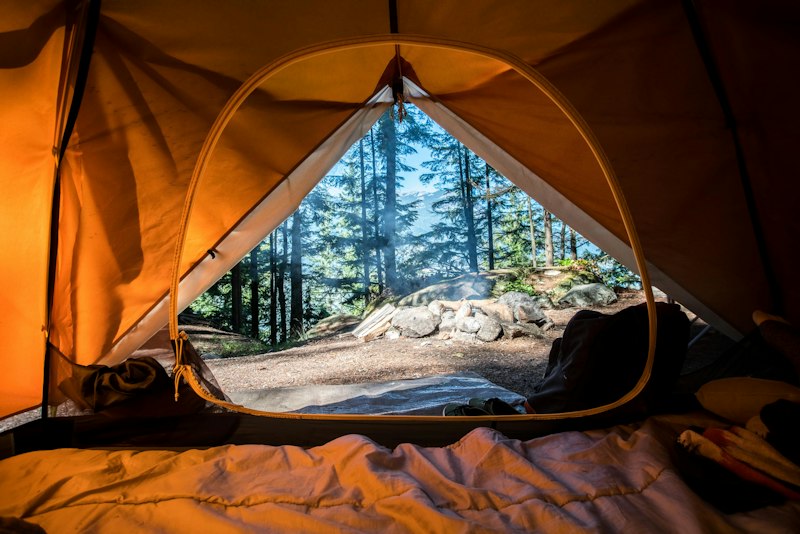
Camping places you directly in the forest environment, providing maximum immersion in natural soundscapes and darkness. The experience of waking to bird songs and falling asleep to rustling leaves creates connections impossible from enclosed buildings. Camping also offers independence and flexibility in daily scheduling.
Cost advantages make camping attractive for budget travelers. Campsite fees are typically minimal compared to lodge rates, and self-catering reduces meal expenses. For extended stays, camping makes otherwise unaffordable destinations accessible.
However, camping requires appropriate equipment, skills, and physical capability. Setting up camp, preparing meals, and managing weather exposure demand effort that reduces energy available for other activities. Comfort levels are lower, and weather can make camping genuinely miserable.
Eco-Lodges: Comfort and Convenience
Eco-lodges provide comfortable accommodation with minimal environmental impact, often featuring amenities like private bathrooms, comfortable beds, and prepared meals. These facilities allow you to focus energy on exploration rather than camp chores, maximizing limited vacation time.
Many eco-lodges offer guided activities, educational programs, and local expertise that enhance your understanding and appreciation of forest environments. Infrastructure like observation decks, trail networks, and wildlife viewing areas may exceed what independent travelers could access.
The primary limitation is cost, as quality eco-lodges charge premium rates for their services. You also sacrifice some independence, operating on schedules and locations determined by the lodge rather than your preferences. The buffer between you and the forest, while comfortable, reduces immersion.
Decision Factors
Consider your priorities when choosing between options. If budget constraints are tight, camping extends your travel possibilities. If physical limitations or time constraints apply, lodge comfort may be necessary. Your desire for solitude versus social interaction, independence versus guidance, and adventure versus comfort all influence the decision.
Many travelers find that combining both approaches works best. Lodge stays at trip beginnings and ends provide comfort when you are most tired, while camping in the middle provides wilderness immersion at your freshest. Some destinations offer both options, allowing you to choose daily based on conditions and energy.
Frequently Asked Questions
How far in advance should I plan a forest vacation?
For popular destinations, begin planning 6-12 months ahead, especially if traveling during peak seasons or requiring permits. International rainforest destinations may require similar lead times for vaccinations and preparation. Less popular destinations or off-season travel can be planned 2-3 months ahead.
What is the cheapest way to visit national parks?
Camping is typically the most affordable accommodation option. Annual park passes provide savings if visiting multiple parks. Traveling during shoulder seasons reduces costs while maintaining good weather. Preparing your own meals rather than eating at park restaurants significantly reduces expenses.
Do I need a guide for rainforest visits?
Some destinations require guides for safety or conservation reasons. Even where not mandatory, guides significantly enhance rainforest experiences through their knowledge of wildlife locations, plant uses, and safe navigation. For first rainforest visits, guided experiences often provide better introduction than independent exploration.
What should I pack for a temperate forest versus a rainforest?
Temperate forests require layers for temperature variation and potentially cold-weather gear depending on season. Rainforests demand lightweight, quick-dry clothing designed for constant heat and humidity, with robust rain protection. Both require sturdy footwear, but rainforest boots need better waterproofing and drainage.
How do I handle emergencies in remote forest areas?
Carry emergency communication devices like satellite messengers where cell coverage is absent. Share detailed itineraries with trusted contacts. Carry first aid supplies and know how to use them. Understand that rescue may take hours or days in remote areas, making prevention and self-sufficiency essential.