What Permits Are Needed for Backcountry Forest Camping: Complete Guide 2026
Escaping into the wilderness for backcountry camping offers unparalleled opportunities for solitude, adventure, and connection with pristine natural environments. However, before you hoist your pack and head into the forest, understanding what permits are needed for backcountry forest camping is essential for legal compliance, personal safety, and environmental protection. Land management agencies require permits to control visitor numbers, protect sensitive ecosystems, ensure camper safety, and maintain wilderness character. Navigating the complex permit systems of different jurisdictions can feel overwhelming, with varying requirements based on location, season, group size, and camping style. This comprehensive guide breaks down everything you need to know about backcountry permits, from national parks to national forests, helping you secure proper authorization for your next wilderness adventure while avoiding costly fines and disappointing encounters with enforcement rangers.
Understanding Why Permits Are Required
Before diving into specific permit types, understanding the rationale behind these requirements helps you appreciate their importance and navigate the system more effectively.
Resource Protection
Backcountry ecosystems are fragile, with thin soils, slow-growing vegetation, and sensitive wildlife populations. Unrestricted camping leads to concentrated impact at popular sites, creating dead zones where vegetation disappears, soil erodes, and wildlife abandons habitat. Permit systems limit overall visitor numbers and disperse use across wider areas, preventing the degradation that destroyed many wilderness areas before modern management.
Permits often include specific regulations about where you can camp, how to minimize impact, and what activities are prohibited. These rules reflect scientific understanding of ecosystem vulnerability and are designed to preserve wilderness character for future generations while still allowing current access.
Visitor Safety and Emergency Response
Permit systems create records of who is in the backcountry and where they plan to travel. This information becomes crucial during search and rescue operations, medical emergencies, or natural disasters. Rangers can focus rescue efforts when they know where missing campers intended to go, potentially saving lives.
Many permit systems also require campers to demonstrate basic competency or carry essential safety equipment. While not as rigorous as technical climbing permits, these requirements ensure visitors understand risks and are prepared for self-rescue in remote areas where professional help may be days away.
Quality of Experience
Wilderness experiences are degraded by overcrowding. Encountering large groups at every campsite, competing for limited water sources, and hearing generators from neighboring camps destroys the solitude that draws people to backcountry camping. Permit quotas maintain low-density use that preserves wilderness character.
By limiting numbers, permits also ensure that those who do visit can find suitable campsites without destructive expansion into undisturbed areas. This balance between access and preservation represents the core challenge of wilderness management.
National Park Backcountry Permits
National parks generally have the most restrictive and complex permit systems, reflecting their high visitation and sensitive resources. Understanding these systems is essential for park backcountry trips.
Advance Reservation Systems
Popular national parks like Yosemite, Grand Canyon, and Glacier operate advance reservation systems for backcountry permits, often opening months before the hiking season. These systems use lotteries, first-come-first-served online releases, or rolling reservation windows depending on the park.
Planning far ahead is essential for peak season visits to popular destinations. Some parks release permits in waves, with earlier releases for more desirable dates. Understanding each park's specific system and timing your application correctly dramatically improves success rates.
Reservation fees typically range from $10-30 per permit, with additional per-person fees in some parks. These fees fund permit processing, wilderness education, and trail maintenance programs.
Walk-Up Permits
Many parks reserve a percentage of permits for walk-up distribution at ranger stations, typically available one or two days before the trip start date. This system accommodates spontaneous trips and those who missed advance reservation windows.
Walk-up permits require flexibility, as specific routes or dates may be unavailable. Arriving early at ranger stations improves chances, especially during peak season. Some parks use morning lotteries for high-demand areas, while others operate pure first-come-first-served systems.
Having backup route options and being willing to adjust itineraries increases success with walk-up permits. Rangers can often suggest excellent alternatives when first choices are unavailable.
Self-Registration Systems
Less visited parks and wilderness areas use self-registration systems where campers fill out free permits at trailhead kiosks before entering. These systems collect visitor data without restricting numbers, relying on education and dispersed use patterns to manage impact.
While convenient, self-registration still creates legal obligations to follow regulations and carries penalties for false information. Some areas using self-registration have specific zone restrictions or seasonal closures that functionally limit access without formal quotas.
National Forest and BLM Dispersed Camping
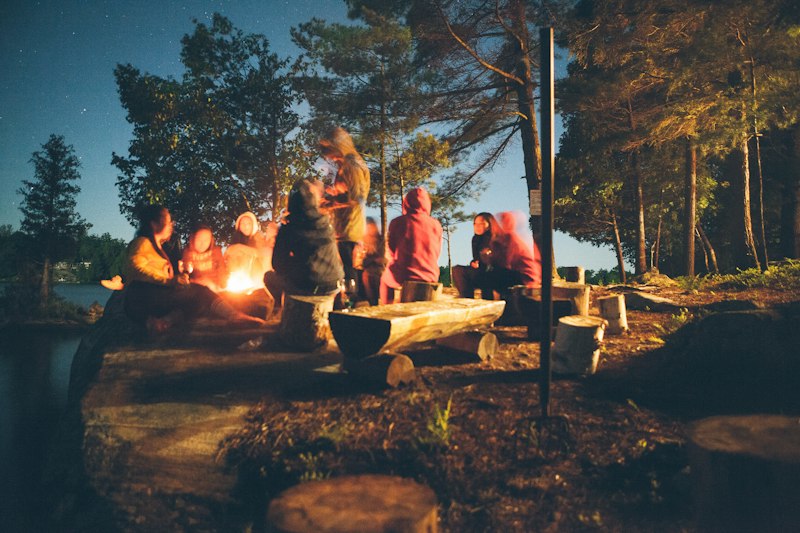
National Forests and Bureau of Land Management (BLM) lands generally offer more flexible camping options than national parks, but permits are still required in many situations.
General Dispersed Camping Rules
Most National Forests and BLM lands allow dispersed camping without permits in undeveloped areas, provided you follow specific regulations. These typically include camping at least 100-200 feet from water sources, roads, and trails; limiting stay to 14 days in any 28-day period; and packing out all waste.
While no advance permit is required for basic dispersed camping, some areas require free self-registration at trailheads or have specific zone restrictions. Always check local regulations before assuming unrestricted camping is allowed.
Fire restrictions are common, especially during dry seasons. Many areas prohibit ground fires entirely or require permits for camp stoves. Violating fire restrictions carries severe penalties and can result in liability for suppression costs if fires escape.
Wilderness Area Permits
Congressional designated Wilderness Areas within National Forests often have specific permit requirements, even when surrounding forest lands do not. These permits may be free self-registration or advance reservation depending on the wilderness and season.
Wilderness permits typically have stricter regulations than general forest camping, including group size limits, restrictions on mechanical devices, and specific campsite designations. These rules preserve wilderness character as mandated by the Wilderness Act.
Some wilderness areas have quota systems for popular entry points or seasons, requiring advance permits obtained through lottery or reservation systems similar to national parks. Research specific wilderness area requirements well before your trip.
Special Use Permits
Certain activities require special use permits even when basic camping does not. Commercial guiding, organized groups larger than standard limits, filming, and research all typically require specific permits with additional fees and regulations.
Special use permits often require extensive advance application and may include bonding requirements, insurance certificates, or detailed operational plans. Apply months ahead for commercial or large group permits.
State and Local Forest Permits
State parks, state forests, and local conservation areas have their own permit systems that vary dramatically by jurisdiction. Never assume that federal land rules apply to state or local properties.
State Park Systems
State parks range from developed campgrounds requiring standard reservations to backcountry areas with wilderness-style permit systems. Some states manage all parks through centralized reservation systems, while others handle permits locally.
Many state parks restrict backcountry camping to designated sites with specific reservation requirements. Others allow dispersed camping with self-registration or advance permits depending on the area and season.
Fees vary widely, from free primitive camping to rates approaching commercial campgrounds for popular state park backcountry sites. Research specific state park systems before planning trips.
State Forests and Wildlife Areas
State forests often provide more flexible camping options than state parks, sometimes allowing dispersed camping without permits. However, regulations vary enormously between states and even between different state forests within the same state.
Some state forests focus on timber production and restrict camping to specific areas or seasons. Others prioritize recreation and welcome dispersed camping with minimal regulation. Always verify current rules before assuming camping is permitted.
State wildlife management areas may prohibit camping entirely or restrict it to specific seasons and locations. These areas prioritize wildlife habitat over recreation, and camping regulations reflect this priority.
How to Obtain Backcountry Permits
Understanding permit systems is only useful if you can successfully navigate the application process. These strategies improve your chances of securing desired permits.
Research and Planning
Start researching permit requirements as soon as you begin trip planning. Many popular destinations require applications months in advance, and missing application windows means waiting another year.
Visit official agency websites for current information rather than relying on outdated guidebooks or forum posts. Permit systems change frequently, and what worked last year may not apply this season.
Have backup plans for dates, routes, and even destinations. Flexibility dramatically improves permit success rates, especially for popular areas. Consider shoulder seasons when permits are easier to obtain and conditions are still favorable.
Online Reservation Systems
Most advance permits are now obtained through online reservation systems. Create accounts and familiarize yourself with interfaces before permit release dates. Some systems experience heavy traffic when popular permits become available.
Be prepared exactly when permits become available, often early morning on specific dates. Have payment information ready and multiple browser tabs open. Popular permits can sell out within minutes.
Some systems use lotteries rather than first-come-first-served distribution. Enter these lotteries as soon as they open and consider entering multiple date options to improve odds.
In-Person and Phone Applications
Some permits still require in-person pickup or phone reservations. For walk-up permits, arrive at ranger stations early, especially during peak season. Bring required identification and be prepared to describe your route and experience level.
Phone reservations may have limited hours and high call volumes. Be patient and have alternative dates ready. Some agencies use callback systems to manage high demand.
Understanding Permit Conditions and Compliance
Obtaining a permit creates legal obligations that extend beyond simply carrying the paper. Understanding and following permit conditions ensures compliance and preserves access for future visitors.
Mandatory Conditions
Permits specify where you can camp, group size limits, and sometimes exact campsites for each night. These conditions are legally binding, and violations can result in fines, ejection from the backcountry, and permit revocation.
Many permits require specific equipment such as bear canisters, fire pans, or portable toilets. Carrying required equipment and using it correctly is a permit condition. Rangers may check equipment at trailheads or in the backcountry.
Some permits mandate specific travel routes or prohibit certain areas entirely. These restrictions protect sensitive habitats, archaeological sites, or dangerous terrain. Ignoring route restrictions violates your permit.
Reporting Requirements
Some permit systems require check-in or check-out at ranger stations. Others use self-registration boxes at trailheads. Failure to complete required reporting creates permit violations even if your camping was otherwise perfect.
Post-trip reporting may be required for certain research or monitoring permits. These requirements help agencies track use patterns and manage resources effectively.
Consequences of Violations
Permit violations carry consequences ranging from warnings to substantial fines and criminal charges. Repeat violations or serious offenses like camping in closed areas can result in bans from federal lands.
Enforcement varies by area and season. High-visitation parks with dedicated wilderness rangers conduct frequent compliance checks. Remote areas may see little enforcement, but violations still carry legal risk and environmental impact.
Frequently Asked Questions
Do I need a permit for overnight backpacking in national parks?
Almost always yes. National parks require backcountry permits for overnight camping outside developed campgrounds. Requirements vary by park, with some using advance reservations, some offering walk-up permits, and some using self-registration. Check specific park websites for current systems.
Can I camp anywhere in national forests without a permit?
Many national forests allow dispersed camping without permits in undeveloped areas, but regulations vary by forest. Some areas require free self-registration, others have zone restrictions, and designated Wilderness Areas often have specific permit requirements. Always verify local regulations before camping.
How far in advance should I apply for backcountry permits?
For popular destinations during peak season, apply as soon as permits become available, often 4-6 months in advance. Less popular areas may offer permits weeks or days before trips. Walk-up permits are sometimes available day-of for flexible travelers.
What happens if I camp without a required permit?
Camping without required permits can result in fines ranging from $50 to several hundred dollars, depending on the jurisdiction and circumstances. Rangers may require you to leave the backcountry immediately. Serious or repeated violations can result in criminal charges and bans from federal lands.
Are permit fees refundable if weather prevents my trip?
Refund policies vary by agency. National parks often allow transfers or partial refunds if cancellations occur well in advance, but same-day weather cancellations rarely qualify. Some permits are completely non-refundable. Check specific policies when obtaining permits and consider trip insurance for expensive non-refundable permits.