
This is because the imagination of human beings on the Amazon is always Brazil or Peru. However, to the budget traveler who wants to get an authentic and cheaper and less-crowded experience, Bolivian Amazon is a long forgotten treasure trove of jungle adventures.
Whether it be remote wild animal adventures or small scale cultural immersions with local indigenous populations, Bolivia is one of the most well-known and cost-effective methods of experiencing the rainforest, without sacrificing experience, biodiversity, and depth.
Why Choose Bolivia for Amazon Exploration?
The Bolivian Amazon has a number of factors that make it a good choice as opposed to more tourist friendly destinations:
Reduced prices to Brazil or Ecuador
Few tourists, which means more relaxing, immersion experiences
• The presence of a great number of eco-lodges and community tourism
Great biodiversity in pampas areas (wetlands) and in the jungle areas
• The accessibility is through the picturesque town of Rurrenabaque, which is a traveler destination with convenient logistics
Whether it is a backpacker, a greener traveler or just a person wanting to get closer to nature, Bolivia offers a piece of the Amazon that you would enjoy.
Gateway to the Jungle: Rurrenabaque
The town of Rurrenabaque (nicknamed “Rurre”) is the main base for Amazon exploration in Bolivia. Located on the banks of the Beni River, Rurre is small but full of life—offering hostels, local eateries, riverfront cafés, and plenty of tour offices.
Getting to Rurre:
• From La Paz, take a 45-minute flight or a 12- to 20-hour bus ride, depending on the road conditions.
• Small airlines like Amaszonas or EcoJet offer reliable flights (and breathtaking views of the Andes and jungle below).
This town is where most jungle and pampas tours begin. You can spend a night here before heading deep into the forest.
Two Main Experiences: Pampas vs. Jungle Tours
Venturing into Bolivian Amazon is mostly classified as either of two experiences:
Pampas tours (3 5 days)
• Interest in wetlands, rivers and open savannahs.
• Better to see wildlife such as caimans, capybaras, pink dolphins and monkeys.
These activities are canoeing, piranha fishing, and watching sunsets.
Jungle Tours (2 6 days)
• Visit the Madidi National Park: a rain forest flooded with trees.
Focus on trekking, plants data, survival and birdwatching.
• More hands-on, educationally stimulating and physically active.
Both are amazing and most of the time affordable and cost as low as 40-70 dollars a day depending on the operator and services offered.
Budget-Friendly Adventures
Cheap travel may be considered one of the major attractions in Bolivia. Far less is a multi-day Amazon tour, as compared to Brazil or Peru.
Example Budget:
3-day Pampas tour starts at 100-180 USD (flights, meal, transport fee and your guide)
• 4-days Jungle expedition in Madidi Park: 160-250 USD
La Paz flights: ~$100 150 roundtrip
Local food in Rurrenabaque: $2-5 USD
Since the tours come with accommodation, meals and various activities, it is simple to come across an all inclusive jungle without having to strain your pocket.
Responsible Operators and Ethical Travel
It is important to travel responsibly in the Amazon. Luckily, Bolivia also has a good number of community tours run by eco-certified tour operators who are more concerned about the environmental sustainability and local gain.
Serious players consist of:
• Madidi Jungle Ecolodge -Community, deep in the Madidi National Park
• Mashaquipe – Indigenous led tourism and cultural education based tours
• Fluvial Tours- Has cheap and responsible pampas tours
These companies:
Use guides and boatmen who are locals
Help the community develop
Boycott man-unfriendly animal amusements (suchlike animal performances)
Create awareness to guests about conservation and indigenous culture
The correctness of choosing an operator will make your travel little meaningful and significant.
What to Expect on a Jungle Tour
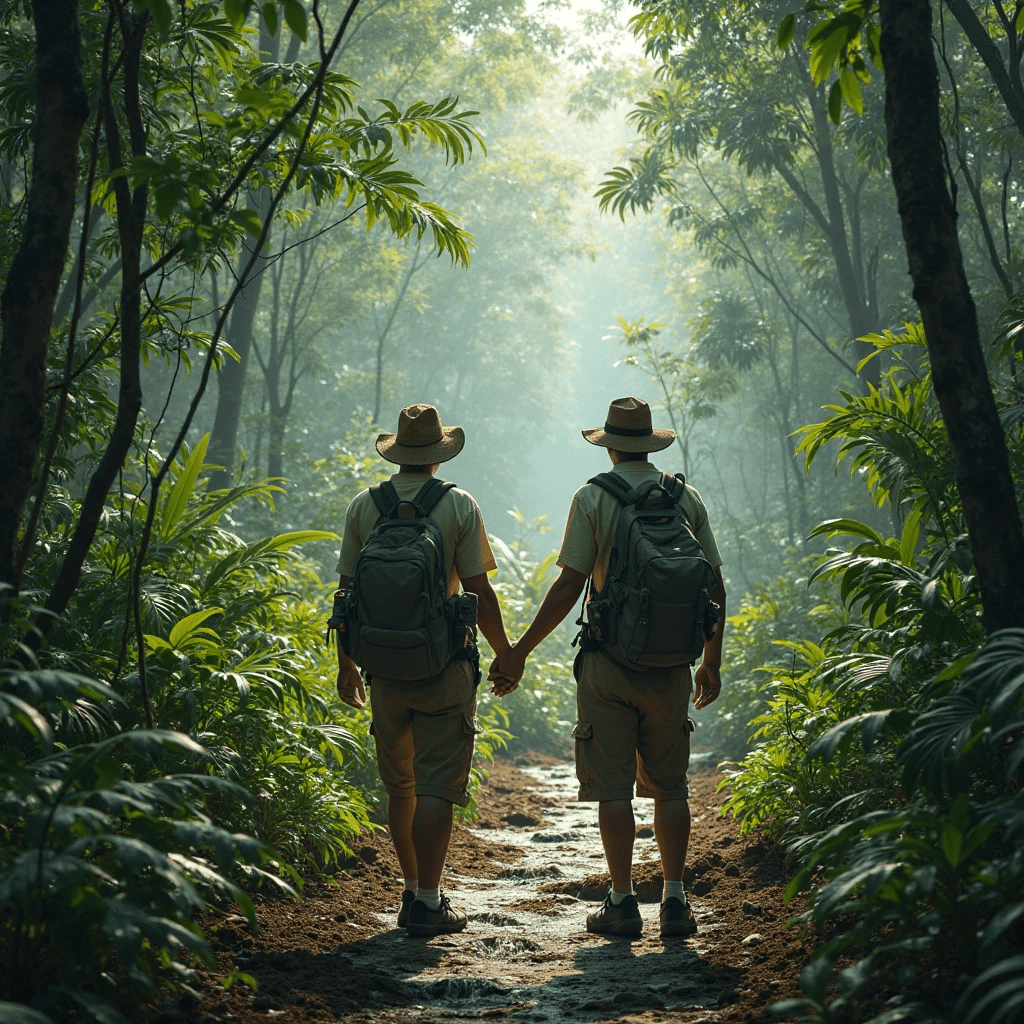
In the jungle you will spend your days in adventure and discovery. Activities usually include:
Jungle walks to learn about medicinal plants and foot prints of animals
• Rides on canoes on twisting tributaries
• Walks at night to see insects that glow, creatures of night
• Angling of piranhas and fishing techniques of ancient times
• Camping or staying in nature lodges lodged amid nature
Safety is ensured by experienced locals and guides that can make that forest come to life with their stories, prowess and jokes.
Wildlife You Might Encounter
Bolivia’s Amazon is teeming with wildlife, especially in the Pampas and Madidi National Park. You might see:
- Pink river dolphins playfully swimming around your canoe
- Macaws and toucans flying overhead
- Howler monkeys calling from the treetops
- Sloths napping high in the canopy
- Capybaras, the world’s largest rodent, lounging near the riverbanks
- Caimans and anacondas lurking in the wetlands
Madidi alone is home to more than 1,000 bird species and thousands of plant and insect varieties—making it one of the most biodiverse places on Earth.
Indigenous Culture and Local Guides
The possibility to have an experience of meeting indigenous culture is also one of the most fulfilling elements of jungle travel in Bolivia. Guides of many tours include representatives of the communities such as the Tacana people, Mosetn, Uchupiamona people.
You’ll learn:
The way plants are used to come up with traditional medicines
The animal and forest spiritual importance
• Time tested survival methods
• Myths and stories that can add meaning to the land you learn to know
These obsessions make up a human and cultural component of the surrounding beauty of nature.
Conclusion: Bolivia’s Amazon—A Hidden Gem
Bolivia is an excellent choice of travel locations especially in cases where travelers are in need of reputable and one that they can afford to explore the Amazon. Whether it is biodiverse Madidi National Park or the wildlife-dense Pampas wetlands, the region has a lush concoction of nature, culture and adventure, but none of the crowds or premium prices.
The Bolivian Amazon is a wild place, and very warm, to both the solo backpacker and the nature photographer, as well as to the adventurous vagrant with a hammock and a dream in mind!